
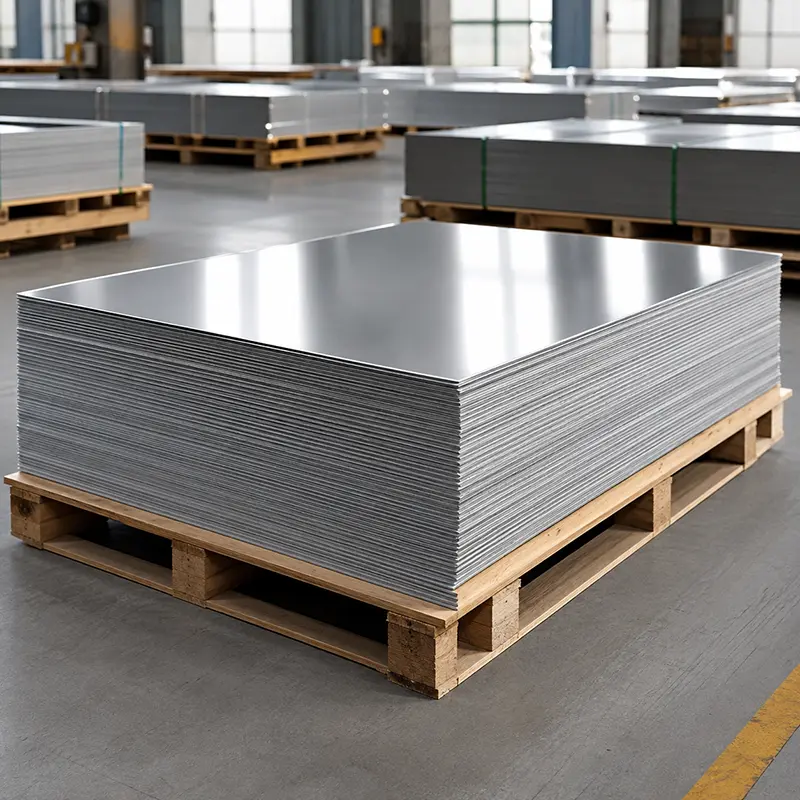
BA Tinplate Sheet – Batch-annealed ETP steel for cans, lids and metal packaging.
SGS Tested Material – Test reports cover leachable lead and total extractives requirements.
Custom Tinplate Specification – Thickness, temper, tin coating and sheet size customizable.
Printing & Forming Ready – Suitable for coating, printing, stamping, welding and can making.
Compliant Export Support – COO, MTC, export license and full shipping documents available.
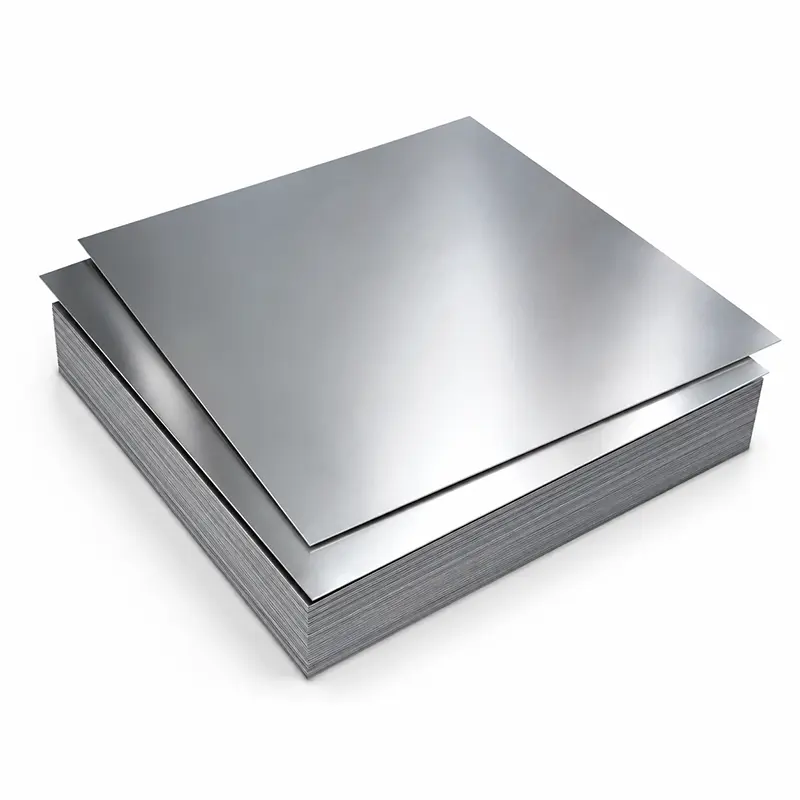
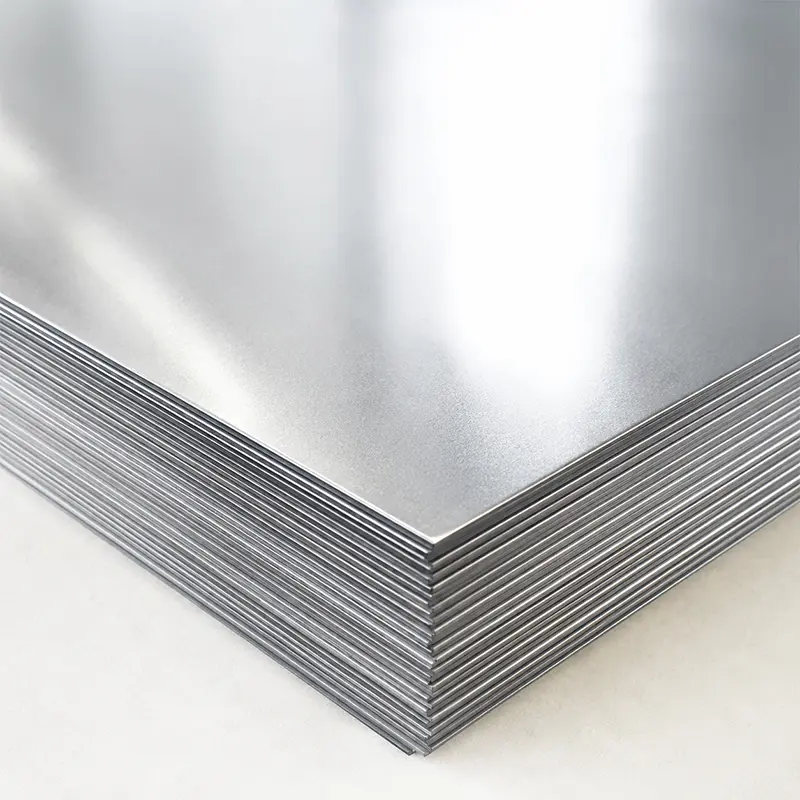
BA tinplate sheet is a batch-annealed electrolytic tinplate product manufactured from low-carbon steel with a controlled metallic tin coating. The BA designation refers to the batch annealing process used during the production of the tinplate base steel.
Batch annealing helps control the mechanical properties and forming performance of the steel substrate. The final strength, hardness, elongation and fabrication behavior depend on the selected temper, steel type, thickness and production specification.
Henan GDD supplies BA tinplate sheets for food cans, EOE lids, can bodies, bottoms, closures, decorative tins and general metal packaging. Thickness, sheet dimensions, temper, tin coating, surface finish, passivation, oiling and packaging can be customized according to the customer's can-making process.
| Item | Specification |
|---|---|
| Product Name | BA Tinplate Sheet / Batch Annealed Electrolytic Tinplate Sheet |
| Material | Electrolytic Tinplate, ETP, SPTE or Tin-coated Low-carbon Steel |
| Annealing Method | BA – Batch Annealed / Box Annealed |
| Applicable Standards | ASTM A623, ASTM A624, JIS G3303, EN 10202, GB/T 2520 or Customer Specification |
| Thickness | 0.13 mm – 0.50 mm or Customized |
| Width | 500 mm – 1200 mm or Customized |
| Length | 500 mm – 1200 mm or Customized Cut-to-length Size |
| Common Temper | T1, T2, T2.5, T3, T4, T5 or Customized |
| Double-reduced Options | DR7, DR8, DR8.5, DR9 or Customized, Subject to Production Route Confirmation |
| Equal Tin Coating | 1.1/1.1, 2.8/2.8, 5.6/5.6, 8.4/8.4, 11.2/11.2 g/m² or Customized |
| Differential Tin Coating | 5.6/2.8, 8.4/2.8, 8.4/5.6, 11.2/2.8, 11.2/5.6 g/m² or Customized |
| Surface Finish | Bright, Stone, Fine Stone, Silver, Matte or Customized |
| Surface Treatment | Passivated, DOS Oiled, Lightly Oiled or Customized |
| Processing Service | Slitting, Cut-to-length, Lacquering, Printing, Scroll Cutting and Customized Sheet Packing |
| SGS Test Coverage | US 21 CFR 109.6 – Added Poisonous or Deleterious Substances, Leachable Lead; US FDA 21 CFR 175.300 – Total Extractives |
| Available Documents | MTC, SGS Test Report, Certificate of Origin, Export License, Commercial Invoice, Packing List and Shipping Documents |
| Applications | Food Cans, EOE Lids, Can Bodies, Bottom Ends, Closures, Decorative Tins and General Metal Packaging |
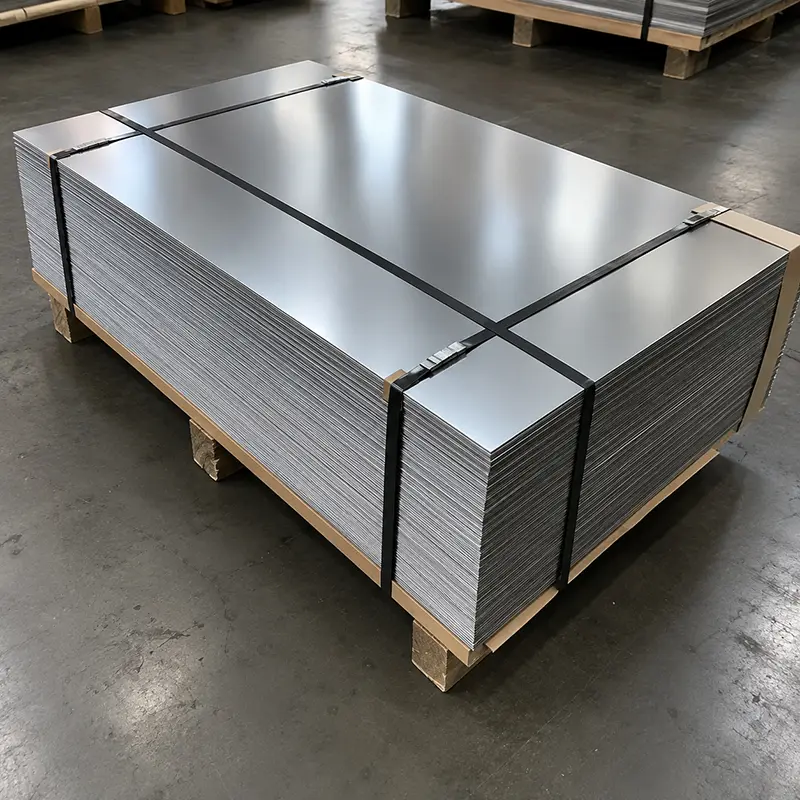
| Packing | Rust-resistant Paper, Protective Steel Cover, Wooden Skid, Steel Straps and Export Seaworthy Packing |
| Trade Terms | FOB, CFR, CIF, EXW |
Available dimensions, tempers, coating weights and mechanical properties depend on the applicable standard, production route and order quantity. Final specifications should be confirmed through the purchase order, approved sample and material certificate.
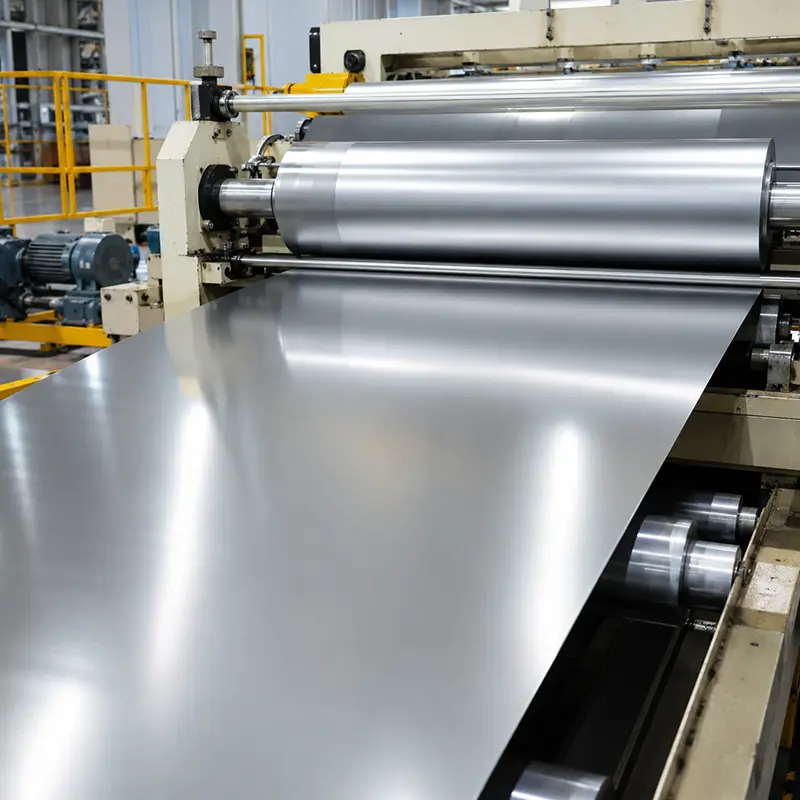
In tinplate production, BA generally refers to batch annealing or box annealing. Cold-rolled steel coils are annealed in batches under a controlled furnace atmosphere before subsequent temper rolling and electrolytic tin coating.
BA describes the annealing route rather than the appearance of the finished tinplate. Bright, Stone, Fine Stone, Silver and Matte are separate surface finish descriptions.
Buyers should therefore specify both the required annealing method and surface finish when requesting a quotation. For example, an order may require BA tinplate with T3 temper, 2.8/2.8 g/m² tin coating and Bright surface finish.
Electrolytic tinplate is manufactured from a low-carbon steel substrate coated with metallic tin through an electrolytic process. The finished material includes the steel base, iron-tin alloy layer, metallic tin coating, surface treatment and a controlled oil film.
The steel substrate provides strength and forming performance, while the tin coating supports surface protection, solderability, printing and lacquer application.
The final suitability of the material depends on the tin coating weight, temper, surface finish, lacquer system, can-making process and contents of the finished package.
BA tinplate uses a batch annealing production route, while CA tinplate uses continuous annealing. The two processes create different combinations of grain structure, hardness, consistency and forming behavior.
Batch-annealed material is commonly considered for applications requiring controlled formability and traditional can-making performance. Continuous-annealed material can provide efficient production and consistent mechanical properties for high-volume packaging applications.
Neither process should be selected only by its abbreviation. The correct material should be chosen according to temper, hardness, elongation, can shape, drawing depth, welding method and production equipment.
BA tinplate can be used for three-piece welded food can bodies, drawn cans and other packaging components. The required temper and thickness depend on can diameter, height, forming method and filling process.
Tinplate sheets can be stamped into easy open ends, conventional can ends and bottom lids. Higher-strength tempers may be selected according to lid diameter, score design, sterilization process and seaming requirements.
Bright and Stone finish tinplate sheets are suitable for printed gift tins, biscuit boxes, tea tins, candy containers, promotional packaging and other decorative metal products.
Tinplate can be processed into crown caps, screw caps, jar closures, container ends and other stamped metal closures.
BA tinplate can also be used for oil cans, chemical containers, aerosol components, paint cans and general-purpose metal packaging when the material specification matches the packaged contents.
The annealing and tempering process can provide the mechanical properties required for stamping, drawing, flanging and can-body production.
Suitable surface finishes provide a stable base for lacquering, lithographic printing, brand graphics and decorative packaging designs.
Equal or differential tin coating can be selected according to corrosion requirements, package contents, lacquer system and production cost.
Different temper grades can be supplied for can bodies, ends, lids, closures and decorative packaging components.
Cut-to-length and scroll-cutting services can help match printing layouts, stamping dies and can-making production lines.
MTC, SGS reports, Certificate of Origin, export license and standard shipping documents can be supplied according to order and customs requirements.
Henan GDD's tinplate has passed SGS testing covering US 21 CFR 109.6 for Added Poisonous or Deleterious Substances – Leachable Lead.
The material also has SGS testing covering US FDA 21 CFR 175.300 for Total Extractives. Copies of the applicable SGS reports can be provided for customer review.
These documents should be described as SGS test reports against the stated requirements rather than as direct FDA product certification. The report scope, tested sample, material specification and validity should be checked against the actual order.
Food-contact and packaging requirements differ between countries. Customers should advise Henan GDD of the destination market, packaged product, lacquer system and required regulatory documents before order confirmation.
Henan GDD can provide the commercial and technical documentation required for compliant tinplate export according to the destination country and agreed trade terms.
Available documentation includes the Mill Test Certificate, SGS test reports, Certificate of Origin, export license, commercial invoice, packing list, bill of lading and related customs declaration documents.
Additional documents, product photographs, packing photographs, container-loading photographs and third-party inspection reports can be arranged according to contract requirements.
Tin coating weight affects surface protection, welding performance, lacquer compatibility, appearance and material cost. Both equal and differential coating structures can be supplied.
Equal coating applies approximately the same nominal tin coating to both sides. Differential coating provides a heavier tin coating on one side and a lighter coating on the other side.
Differential coating may be selected when the internal and external surfaces of the package have different corrosion, printing or lacquer requirements.
Tinplate temper indicates the mechanical condition of the finished material. Softer tempers provide increased formability, while harder tempers provide greater stiffness and resistance to deformation.
T1, T2 and T3 grades may be considered for forming and drawing applications. T4 and T5 grades are often considered for components requiring increased stiffness.
DR grades provide higher strength at reduced thickness and may be used for selected can bodies, lids and ends. The correct grade should be selected according to hardness, yield strength, drawing depth and production tooling.
Bright finish provides a smooth and reflective metallic appearance suitable for printing, decorative tins, cans and closures.
Stone finish has a fine directional texture and is commonly used for food cans, general cans and printed metal packaging.
Finer textured finishes can provide improved appearance and handling characteristics for selected packaging applications.
Matte tinplate has lower surface reflection and may be selected for specific printing effects, closures and industrial packaging.
Surface terminology and mill codes may differ between manufacturers. The required finish should be confirmed by specification or approved physical sample.
BA tinplate sheets can be supplied for metal printing, internal lacquering and external coating. The surface should be matched with the selected ink, primer, lacquer and curing process.
Internal lacquer selection depends on the packaged product, acidity, salt content, sulfur content, oil content, sterilization temperature and required shelf life.
Customers should provide the intended filling product and processing conditions so that the material and coating system can be evaluated before mass production.
Henan GDD can arrange cut-to-length processing based on the customer's printing layout, can-body size, lid diameter and stamping equipment.
Slitting, scroll cutting, lacquering and printing can also be discussed. Sheet orientation and rolling direction should be confirmed when they affect forming or stamping performance.
Buyers should provide the required thickness, width, length, tolerance, temper, coating weight, finish, printing layout and annual purchase quantity.
Henan GDD supplies tinplate materials to food can factories, EOE lid manufacturers, metal printing companies, closure producers and metal packaging distributors.
We support BA tinplate specifications, customized dimensions, equal or differential tin coating, multiple surface finishes, slitting, cut-to-length processing and export packing.
Our tinplate has relevant SGS testing, and we can provide MTC, Certificate of Origin, export license and complete export documentation for compliant international shipment.
From specification confirmation and sample review to production, inspection, packing, customs documentation and loading, our team provides one-stop export support for tinplate sheet orders.
Before shipment, inspection can include material specification, thickness, width, length, temper, tin coating, surface finish, flatness, sheet count, package weight and packing condition.
Surface inspection can check scratches, rust, stains, dents, edge damage, coating appearance and other visible defects.
MTC, inspection records, product photographs, packing photographs, loading photographs and third-party inspection support can be provided according to order requirements.
BA tinplate sheets are normally packed with rust-resistant paper, protective boards, steel covers, edge protection, wooden skids and reinforced steel straps.
Proper seaworthy packing helps reduce moisture exposure, rust, scratches, edge damage and sheet movement during container loading and ocean transportation.
Labels can include product name, dimensions, temper, coating weight, package number, net weight, gross weight and country of origin.
Shipment can be arranged under EXW, FOB, CFR or CIF terms. Commercial invoice, packing list, bill of lading, MTC, Certificate of Origin and export license can be provided as agreed.
BA generally means batch annealed or box annealed. It identifies the annealing method used for the tinplate base steel and should not be confused with the Bright surface finish.
It is used for food cans, can bodies, EOE lids, bottom ends, closures, decorative tins, crown caps and general metal packaging.
The common supply range is approximately 0.13 mm to 0.50 mm. Other dimensions can be discussed according to the application and order quantity.
Common options include T1, T2, T2.5, T3, T4 and T5. DR-grade tinplate can be discussed separately according to the required production route.
Yes. Henan GDD's tinplate has SGS test reports covering US 21 CFR 109.6 for leachable lead and US FDA 21 CFR 175.300 for total extractives.
The document should be described as an SGS test report against the stated US regulatory test requirements. The report scope and tested material should be matched with the actual order and destination market requirements.
Yes. Certificate of Origin, MTC, SGS reports, export license, commercial invoice, packing list and standard shipping documents can be provided.
Yes. Printing, internal lacquering, external coating and customized artwork processing can be discussed according to customer requirements.
Please provide the annealing method, thickness, sheet dimensions, temper, tin coating, surface finish, intended application, quantity, destination port and required documents.
Yes. SGS or other agreed third-party inspection can be arranged before shipment according to the inspection scope stated in the contract.
Looking for batch-annealed tinplate sheets for food cans, EOE lids, can bodies, closures or printed metal packaging?
Send Henan GDD your required thickness, dimensions, temper, tin coating, surface finish, order quantity, intended application and destination port. Our team will provide a professional quotation, documentation list and suitable export shipping solution.