
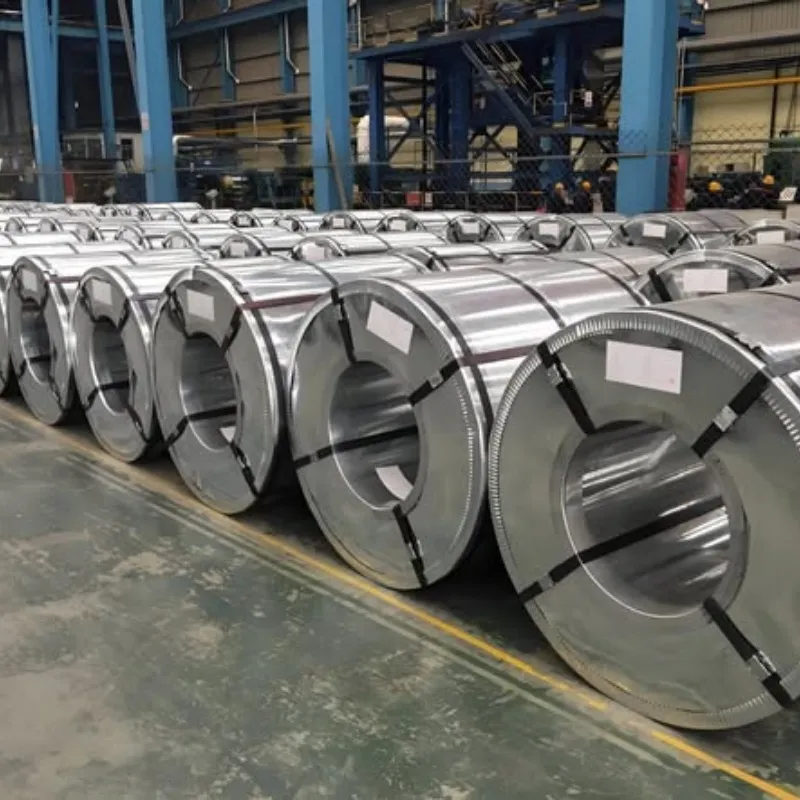
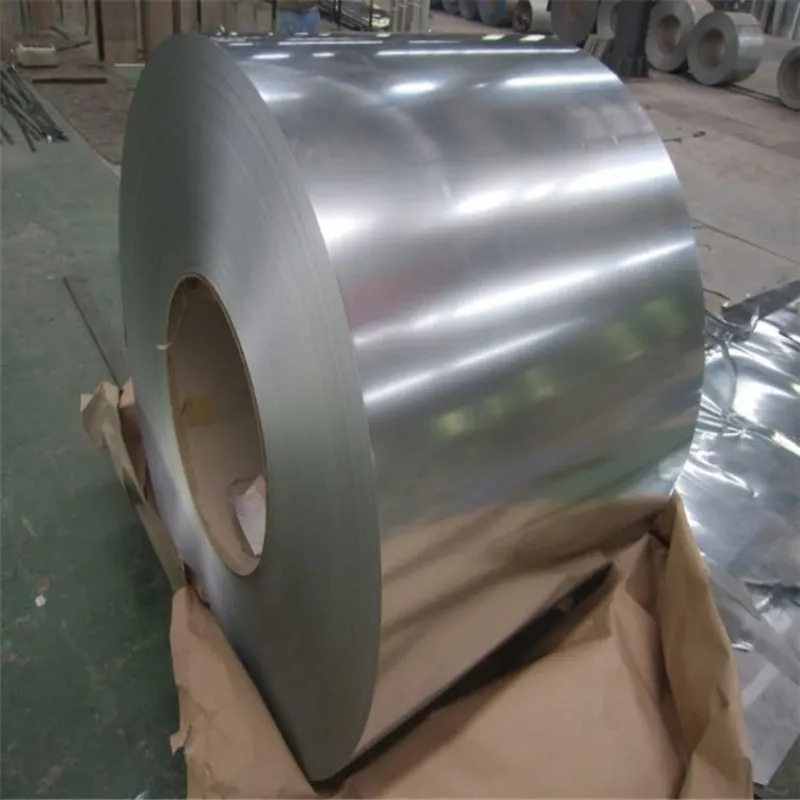
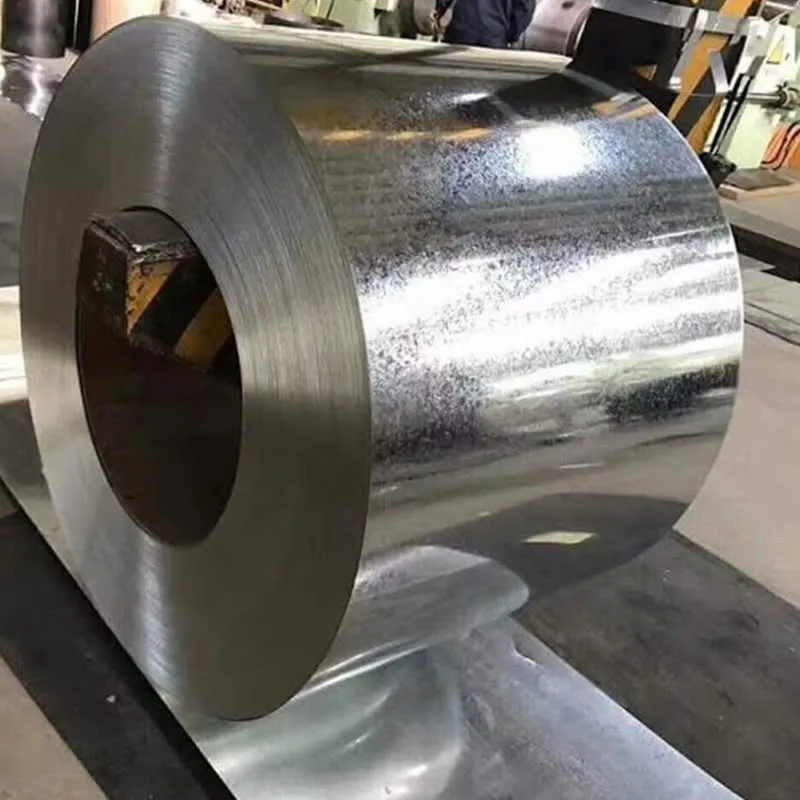
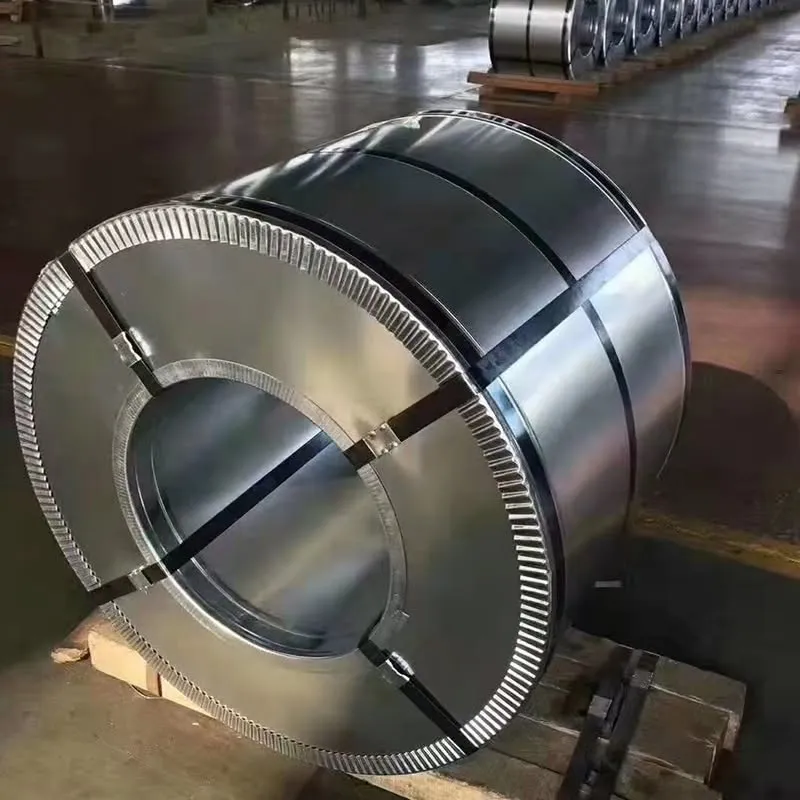
GI Steel Roll for Slitting, Forming and Sheet Production
GDD Metal supplies GI steel roll for buyers converting galvanized strip into roofing profiles, ventilation components, formed sections and fabricated panels. Match the steel grade and zinc coating to the finished product, then specify the coil dimensions around your processing line.
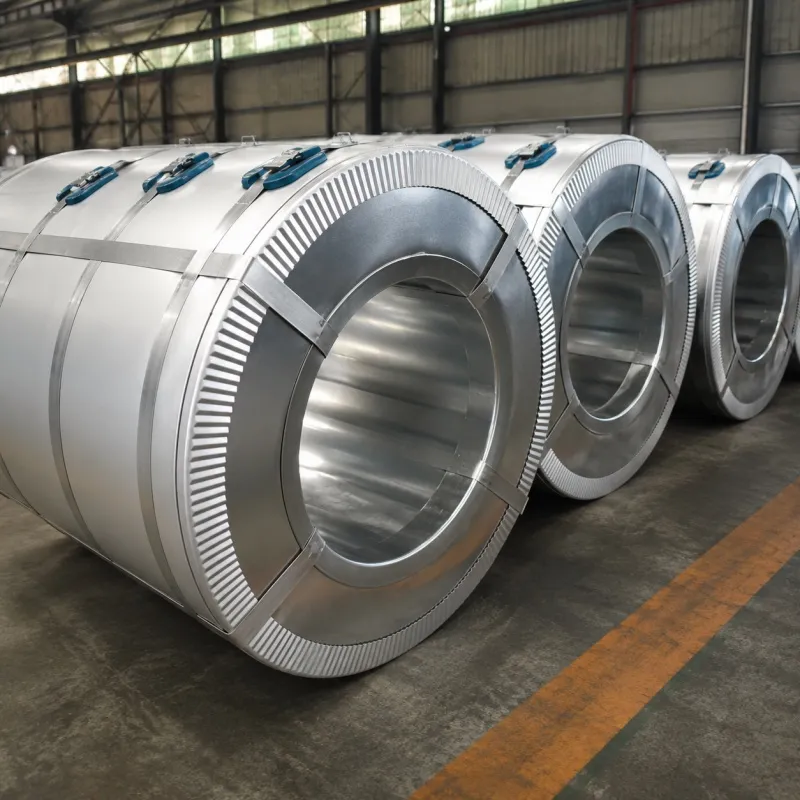
GI steel roll is a commercial name for galvanized steel coil. This product uses a continuous hot-dip zinc coating. “Roll” and “coil” describe the same supply form here; neither term defines the steel grade, coating weight or forming capability.
Product Specifications
| Parameter | Supply Options |
|---|---|
| Product | GI steel roll / hot-dip galvanized steel coil |
| Thickness | Approximately 0.12–4.00 mm, subject to grade and mill capability |
| Width | Typically 600–1500 mm; slit widths by agreement |
| Grade examples | DX51D+Z, DX52D+Z, DX53D+Z, SGCC; structural grades by inquiry |
| Standards | EN 10346, ASTM A653/A653M, JIS G 3302 or GB/T 2518, with the corresponding grade agreed |
| Commercial coating range | Approximately 30–275 g/m² total both sides; designation and test criteria depend on the standard |
| Spangle | Regular, minimized or zero spangle |
| Surface treatment | Passivation, oiling, dry or anti-fingerprint options by agreement |
| Coil inside diameter | 508 mm or 610 mm, subject to confirmation |
| Coil weight | Typically 3–10 metric tons; confirm your maximum handling weight |
| Outside diameter and edges | Agree maximum OD, edge condition and slitting tolerances |
| Documentation | MTC, Certificate of Origin and agreed export documents |
Confirm the available combination of grade, thickness, width, coating and coil weight before purchase. State whether thickness means base steel thickness or total coated thickness. Grades from different standards are not automatically interchangeable.
Choosing the Zinc Coating
The coating requirement should follow the finished product's exposure and project specification. A sheltered indoor panel, a condensation-prone duct and an exposed roof do not face the same conditions.
Light Coatings: Around 30–80 g/m²
These commercial coating levels use less zinc and may be considered for selected protected applications. Confirm actual coating mass and acceptance criteria. Shorthand such as Z30 or Z40 is not a universally listed coating class in every international standard.
Intermediate Coatings: Around 100–180 g/m²
These levels provide more zinc per unit area than lighter coatings. Review the intended humidity, condensation, forming operations and additional paint system before selecting them. An application name such as “ductwork” alone does not establish the required coating.
Heavier Coatings: Around 200–275 g/m²
Heavier coatings provide a greater zinc reserve under comparable conditions. They can be considered where the project requires increased atmospheric protection, but do not establish a fixed service life. Coastal salt, trapped moisture, cut edges and coating damage remain relevant.
Total Both Sides Is Not Per Side
Common total-both-sides Z designations refer to coating mass across both faces. For example, Z275 specifies a 275 g/m² total-both-sides requirement under the relevant standard, rather than 275 g/m² on each face. Test locations and minimum acceptance values must follow that standard.
For an illustrative equal distribution, 100 g/m² total corresponds to about 50 g/m² on each face. This arithmetic does not replace per-face inspection or the applicable tolerances. If unequal coatings are required, specify both faces separately and request mill confirmation.
Regular Spangle, Minimized Spangle and Zero Spangle
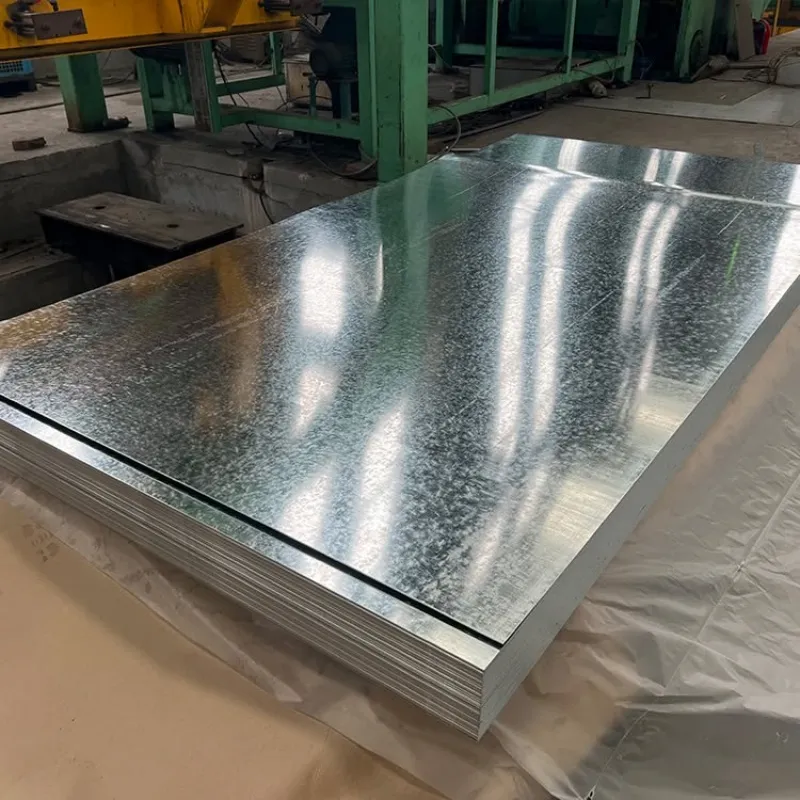
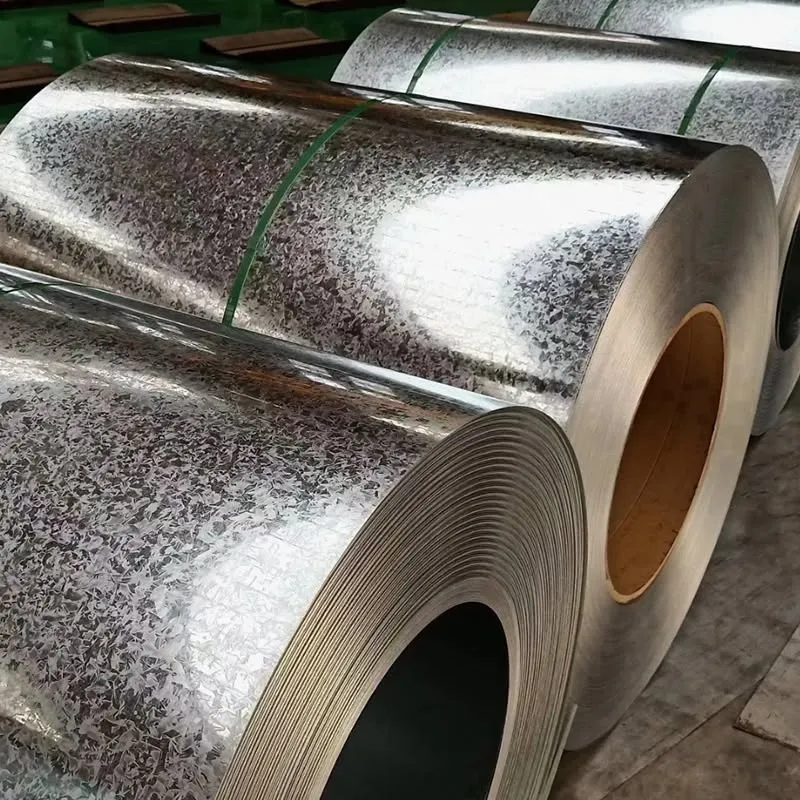
Spangle is the visible zinc crystal pattern formed as the coating solidifies. It is an appearance characteristic, separate from zinc coating mass.
Regular spangle gives a visible crystalline finish. It can be selected where the traditional galvanized appearance is acceptable.
Minimized spangle has smaller, less prominent visible patterns. Agree the required appearance using a representative sample.
Zero spangle has little or no readily visible crystal pattern. It is often considered for visible components and further finishing, but does not mean the material has no zinc.
A large spangle does not prove a heavier coating. Likewise, zero spangle does not automatically guarantee paint adhesion or a perfectly smooth surface. Specify surface quality, skin pass and treatment alongside appearance when preparing material for painting.
Make Sure the Roll Fits Your Production Line
Uncoiler limits: Confirm inside diameter, maximum outside diameter and maximum coil weight together. A coil may fit the mandrel yet exceed the machine's weight or diameter capacity.
Slitting requirements: Provide the finished strip widths, tolerances, allowable burr and preferred edge condition. Include the number of slit coils required if your line uses several narrow widths.
Forming requirements: Send the profile drawing, bend details or existing material specification. Choose strength and formability for the actual component instead of selecting a grade only by price.
Surface treatment: Tell us whether you will paint, bond or powder-coat the steel. Agree compatibility with the downstream process before selecting passivation or oiling. For factory color-coated material, compare our PPGI and PPGL options.
Application Examples
These scenarios illustrate purchasing decisions and are not claims about verified customer orders or production results.
Roofing Profile Production
A roll-forming workshop needs a coil matched to its developed profile width, forming tools and uncoiler. The inquiry should identify the finished roofing profile, project grade and coating requirement. Trial material can be checked for forming behavior, coating condition at bends and finished dimensions.
HVAC Ducts and Fittings
A duct manufacturer converting coils into blanks should confirm the duct specification, thickness basis, cutting layout and joining process. Coating selection should account for the actual service environment, including moisture and condensation, while coil size should match the cutting line's handling capacity.
Painted Cabinets and Equipment Panels
A panel producer may choose a zero-spangle surface for a more uniform appearance. Approve a sample after forming, pretreatment and painting, rather than evaluating only the bare coil. This checks the combined effect of the material and finishing process.
Service Centers Supplying Cut Sheets
A service center can purchase rolls and convert them into several sheet sizes. Compare the flexibility with leveling capability, changeover time and conversion yield. Buyers without a cutting line can consider our galvanized steel sheets.
Inspection, Traceability and Export Documents
GDD Metal can provide an MTC, Certificate of Origin, export license where required, commercial invoice, packing list, bill of lading and relevant customs documents. Confirm the destination and required document scope before ordering to support compliant export procedures.
Agree checks for dimensions, mechanical properties, coating mass, surface condition, coil weight and identification. Request inspection results for critical requirements and ensure coil labels correspond to the material records. Third-party inspection can be arranged by agreement.
Packing and Storage
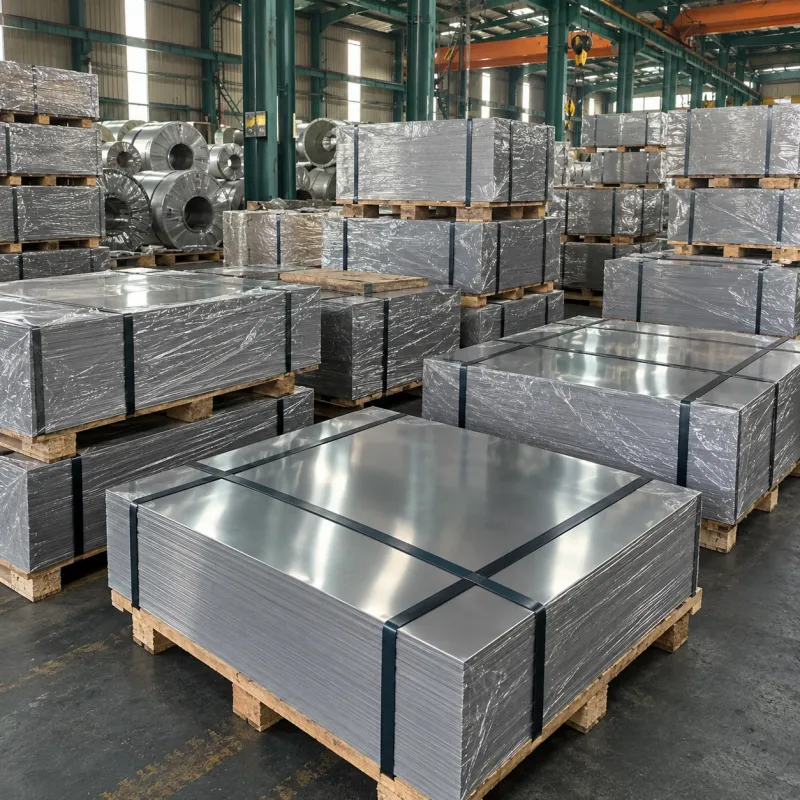
Confirm coil orientation, lifting arrangements and transport restraints with the shipment plan. Protective wrapping, covers and edge protection help reduce handling damage. Keep coils dry, inspect for moisture after delivery and prevent condensation during storage.
Frequently Asked Questions
Is GI steel roll different from galvanized steel coil?
These terms describe the same general product here. Use the full grade, dimensions, coating and surface specification to define the order.
Can I order a lighter coil for a smaller uncoiler?
State your maximum coil weight, ID and OD. We will confirm the available supply or processing options and any effect on MOQ and lead time.
Does zero spangle provide better corrosion resistance?
Appearance alone cannot establish corrosion performance. Review coating mass, coating condition and the exposure environment rather than choosing by visible pattern.
Can GI be substituted for Galvalume or PPGI?
Not automatically. GI has a zinc coating, Galvalume has an aluminum-zinc alloy coating, and PPGI has an organic paint system over a galvanized substrate. Confirm the product required by the application.
How are price and delivery confirmed?
The offer depends on grade, thickness, coating, dimensions, processing and quantity. Include your required delivery date and destination port with the inquiry.
Request a GI Steel Roll Quote
Send grade, thickness × width, zinc coating, spangle, surface treatment, coil ID, maximum coil weight, quantity and destination port. Add the maximum OD and finished application when available.
A current material specification or sample MTC can help us review your requirements. Remove confidential information before sharing.
Get a GI Roll Quote