
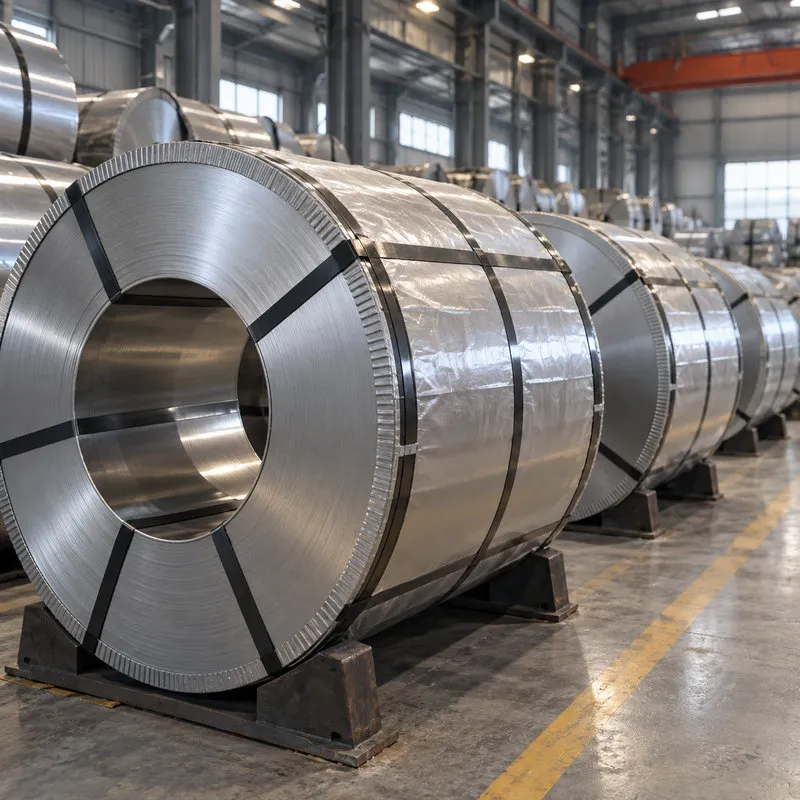
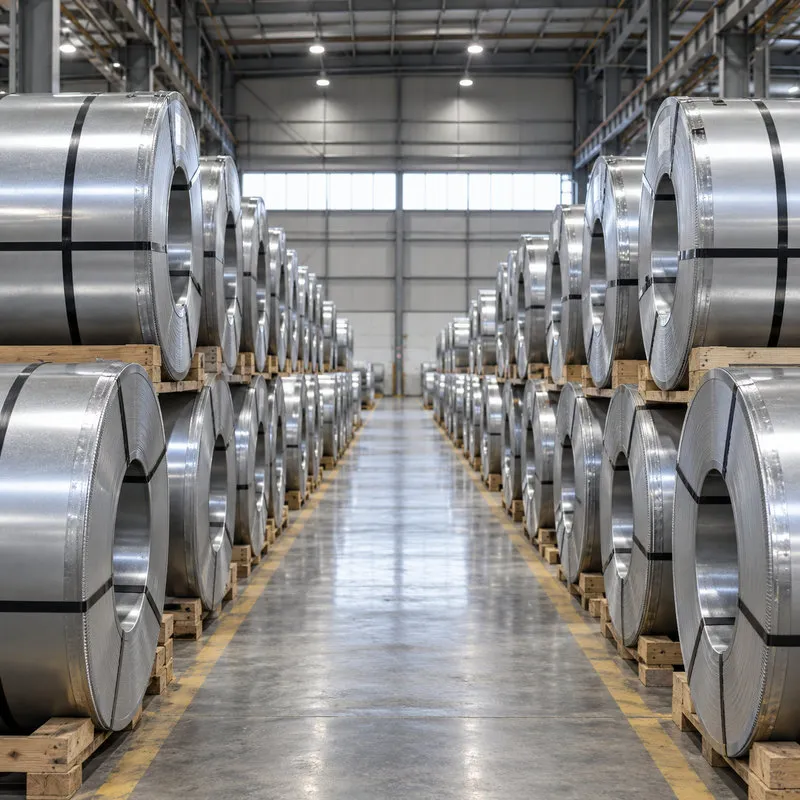
Tin-Free Steel Coil for Packaging Conversion
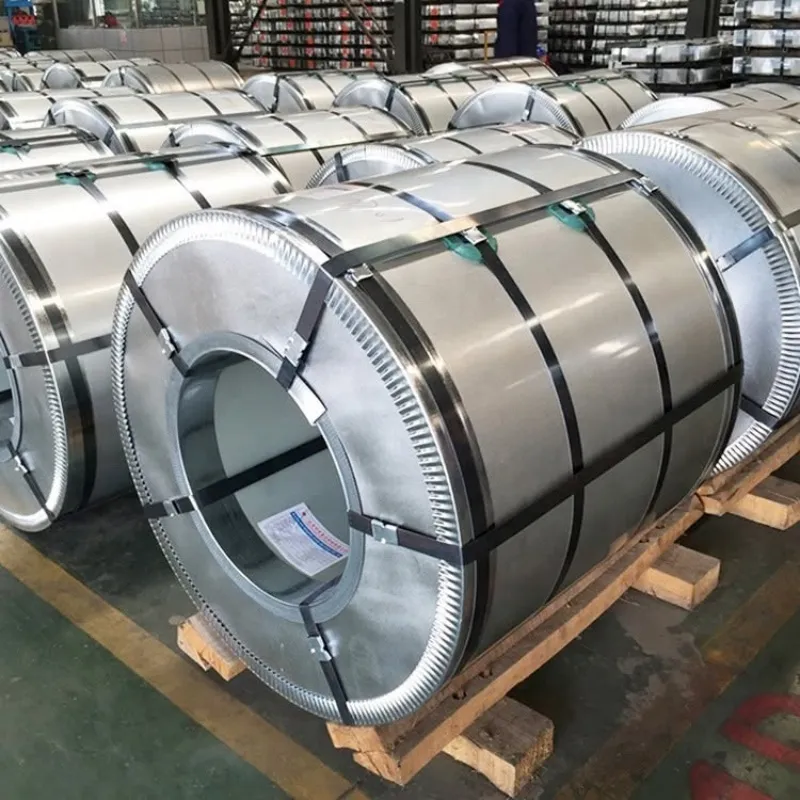
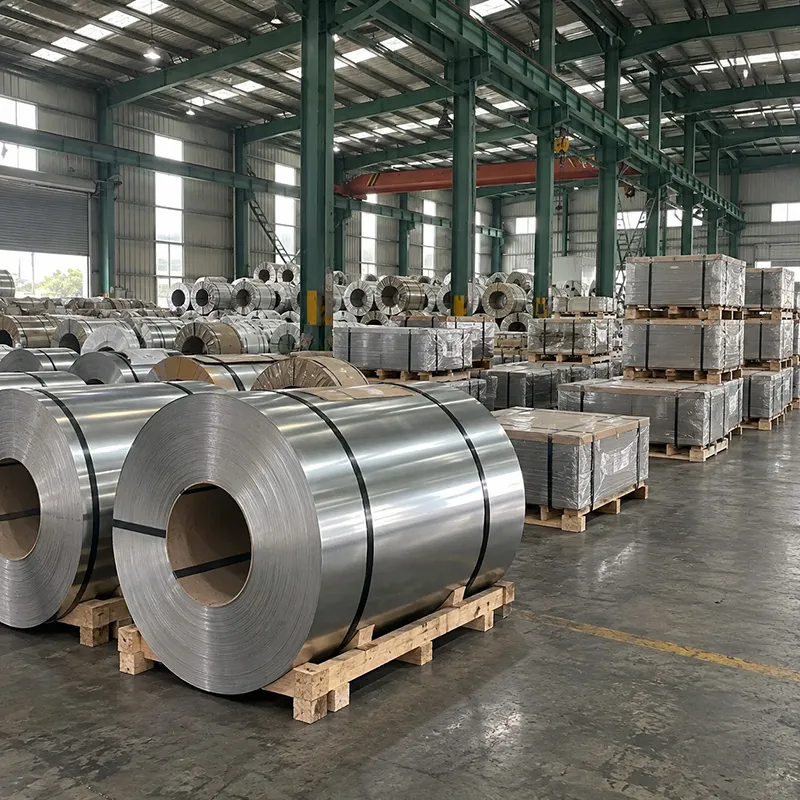
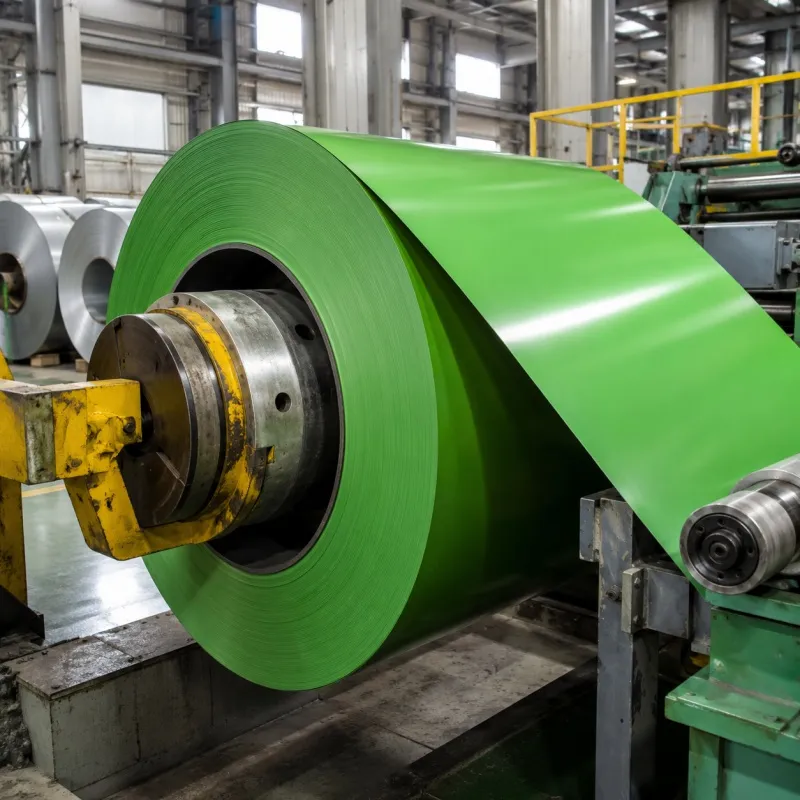
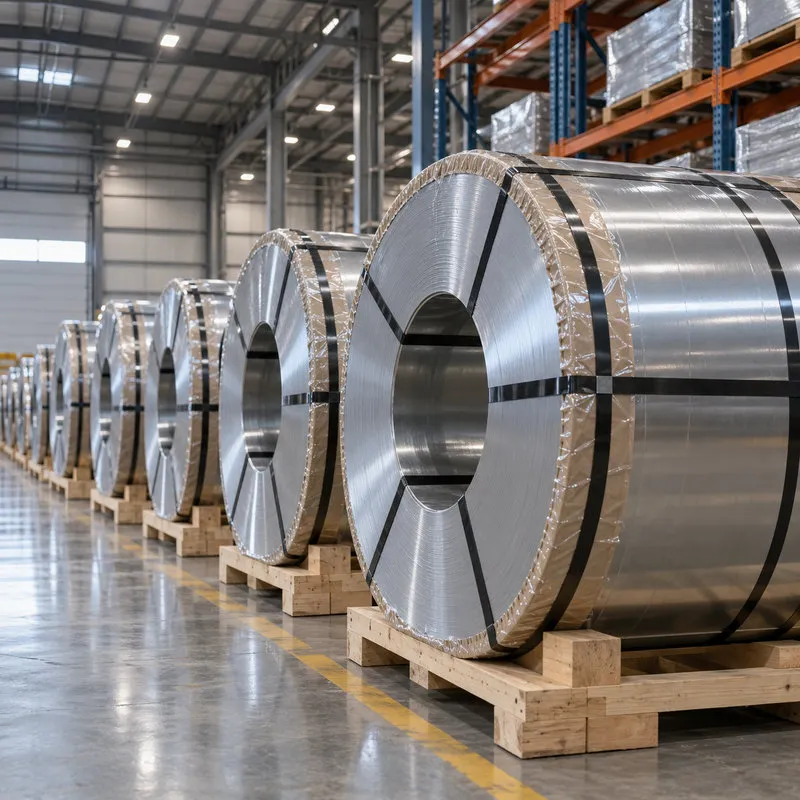
GDD Metal supplies Tin-Free Steel coils for packaging converters, coating operations and service centers. Specify the material together with the coil dimensions so it can be evaluated for your uncoiler, slitting line or cut-to-length equipment.
Coil supply gives converters control over downstream widths and sheet lengths. It is a practical purchasing format when your operation has suitable handling and processing capacity.
Product Specifications
Available combinations depend on the production route and order. Final dimensions, mechanical properties and acceptance criteria are confirmed in the quotation and purchase order.
| Parameter | Specification / Order Requirement |
|---|---|
| Product | Tin-Free Steel Coil |
| Material | TFS / ECCS: electrolytic chromium-coated steel |
| Supply condition | Coiled substrate; lacquered or laminated material only when expressly agreed |
| Thickness and tolerance | Confirmed against the component drawing and purchase specification |
| Strip width | Master-coil or slit-width requirements reviewed against production capability |
| Temper / reduction route | Single-reduced or double-reduced grade as agreed for the intended forming process |
| Surface coating | Metallic chromium and chromium oxide; measurement basis and face identification to be specified |
| Coating reporting | Chromium coating values reported in mg/m² on the agreed basis |
| Surface finish and oil | Finish, oil type and amount agreed with the downstream process |
| Coil inside diameter | Confirm nominal ID and tolerance against the uncoiler mandrel |
| Maximum outside diameter | Specify independently of ID and coil weight |
| Coil weight | Minimum/maximum net weight by agreement; handling and line limits apply |
| Strip and edge quality | Width tolerance, camber, burr and flatness requirements per order |
| Coil build and joints | Winding, telescoping limits and joint acceptance/marking to be agreed |
| Processing | Slitting, recoiling or cut-to-length requirements subject to quotation |
| Documents | Certificate of Origin, material MTC, export license where required, and commercial/shipping documents |
| MOQ and lead time | Confirmed by specification, quantity and processing requirements |
What Is TFS Coil?
TFS, also called ECCS, is steel carrying thin metallic chromium and chromium-oxide layers instead of a tin coating. It is a packaging substrate, not stainless steel. Plain TFS and organically coated TFS are different supply conditions.
How Tin-Free Steel Coil Is Produced
The typical route includes cold rolling, cleaning, annealing and temper rolling or double reduction. Prepared strip receives an electrolytic chromium treatment, followed by finishing, inspection and recoiling. Lacquering or lamination is a separate processing stage.
For purchasing, confirm the condition in which the coil will arrive and which operations your facility will perform. A material description alone does not establish compatibility with your coating oven or press line.
Chromium Coating vs Zinc Coating
Process: TFS uses electrolytic chromium treatment. Hot-dip galvanized strip passes through molten zinc; electrogalvanized strip uses electrolytic zinc deposition. Packaging TFS is different from thick decorative or hard-chrome plating.
Protection: Zinc provides barrier and sacrificial protection. The TFS surface is valued for coating adhesion and must be assessed with the selected organic protective system; do not expect the same cut-edge protection mechanism as zinc.
Applications: Galvanized steel serves uses such as building components and ductwork. TFS serves selected packaging conversion routes. Similar appearance does not make the materials interchangeable.
Specification: Keep chromium values in mg/m² distinct from zinc-coating values commonly expressed in g/m². Confirm which face and coating component each reported value represents.
Advantages of TFS in Coil Form
TFS offers strong lacquer adhesion and useful sulfide-stain resistance in selected packaging systems. It provides an alternative to tin-coated steel, although final corrosion performance and cost depend on the complete application.
- Flexible conversion: Plan slit widths or sheet lengths around your production orders.
- Potentially fewer loading changes: Larger acceptable coils can extend a production run, provided all equipment limits are met.
- Batch control: Maintain material identity from the original coil through daughter coils or cut sheets.
Compare cost per accepted component, including processing losses, changeovers, inspection and freight. A lower price per tonne does not necessarily mean a lower production cost.
Match the Coil to Your Equipment
Inside Diameter, Outside Diameter and Weight
Check all three independently. Matching the mandrel does not confirm that the coil clears the machine envelope or stays within the loading limit. Include the capacity of lifting equipment and coil supports in the handling review.
Slitting and Strip Feeding
Provide the required slit-width schedule, width tolerances, burr limits and winding requirements. Agree whether joints are acceptable and how they must be marked. Discuss camber and strip shape where feeding accuracy is critical.
Coating and Surface Handling
Confirm oil compatibility, cleaning requirements and the face to be coated or decorated. Avoid treating the outer wrap as representative of the whole coil; use an agreed sampling plan and assess trial material after downstream processing.
Estimate Coil Length for Production Planning
For an approximate steel-strip length, use:
Length (m) = net mass (kg) ÷ [7,850 × thickness (m) × width (m)]
For example, a 5,000 kg coil at 0.20 mm thickness and 1,000 mm width contains approximately 3,185 m of strip. This is a calculation example, not a stock specification. Actual usable length depends on measured dimensions, coating mass, joints, trim and rejects.
Typical Applications
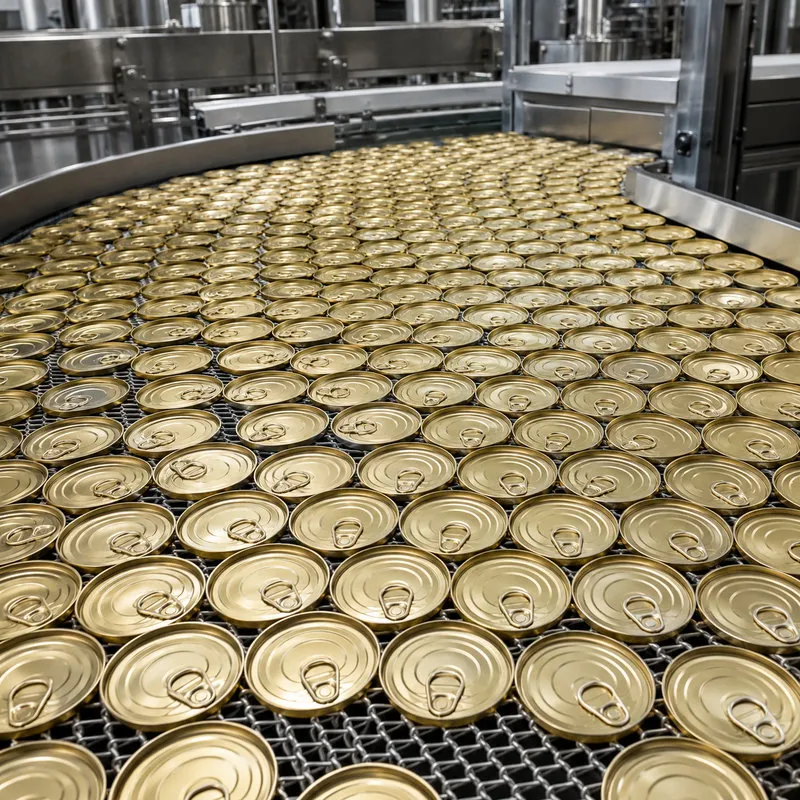
Suitable grades are used for can ends, closures and drawn containers. Coils may first be slit, cut or coated before reaching the component-forming operation.
For easy-open ends, qualify the material on the intended conversion line. For drawn parts, evaluate the actual forming sequence. TFS generally needs more attention to welding and soldering than tinplate; identify any joining requirement before approving a substitution.
Food-packaging suitability depends on the final coating or laminate, contents, processing and storage. A raw-material certificate alone does not validate the finished package.
Illustrative Customer Applications
These are purchasing scenarios, not claims of completed customer orders or testimonials.
Service Center: Several Widths from One Master Coil
A service center could review a slitting schedule against its customer orders, allowing for edge trim and machine constraints. Daughter-coil weights and labels would be agreed so each delivery fits the customer's equipment and remains traceable.
Closure Manufacturer: Reducing Loading Interruptions
A closure producer could evaluate a larger coil within its verified handling limits. The trial would compare loading frequency, strip feeding and accepted output. Any productivity benefit should be measured rather than assumed.
Coating Operation: Qualifying a New Substrate
A coating operation could trial a proposed finish and oil condition using its normal cleaning and curing route. Adhesion and formed-part checks would guide approval before a bulk order.
Inspection, Packing and Export Support
Agree inspection scope for thickness, width, mechanical properties, surface condition, coating records and coil build. Keep the coil number consistent across the material MTC, packing label and delivery documents.
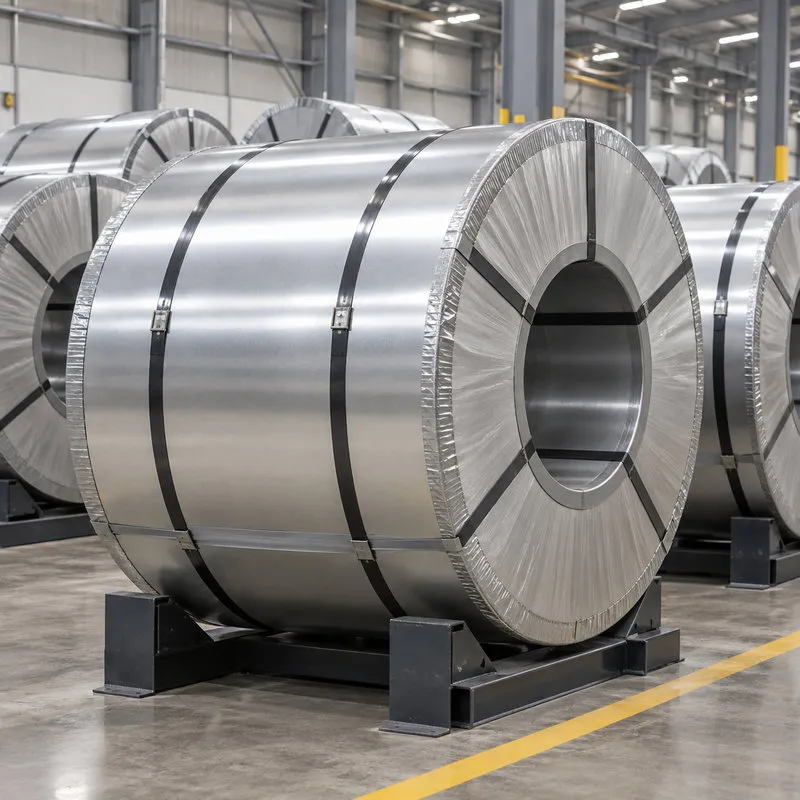
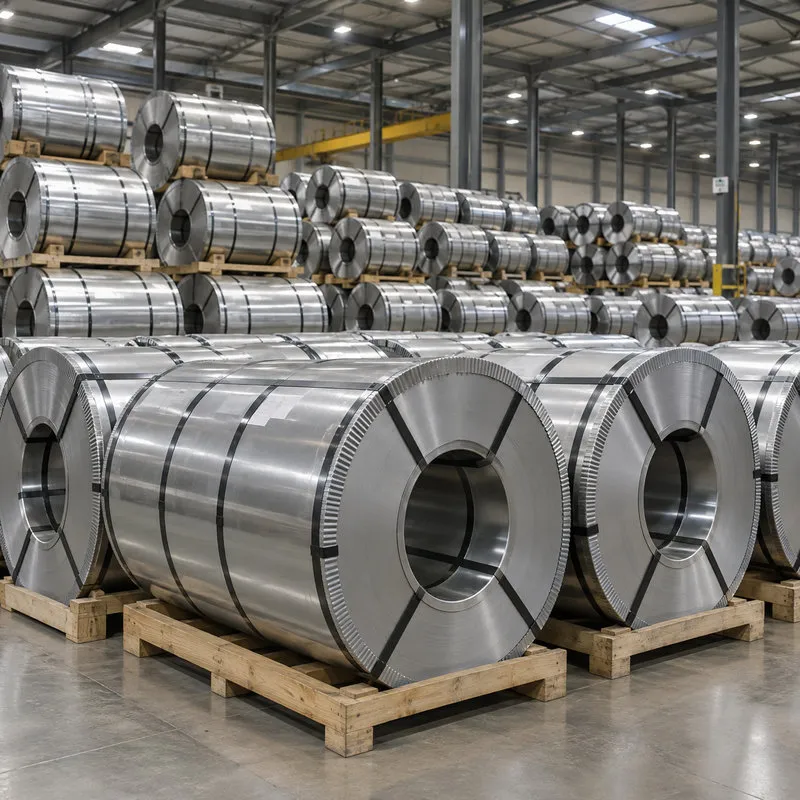
Specify protective wrapping, edge protection, support arrangement and coil-eye orientation to suit unloading. Store coils dry and protected from condensation and handling damage.
We can provide a Certificate of Origin, traceable material MTC, export license where required, and the agreed invoice, packing list, shipping and customs documents to support compliant export. Additional downstream test reports should be defined according to the actual application.
Frequently Asked Questions
Should I buy coils or sheets?
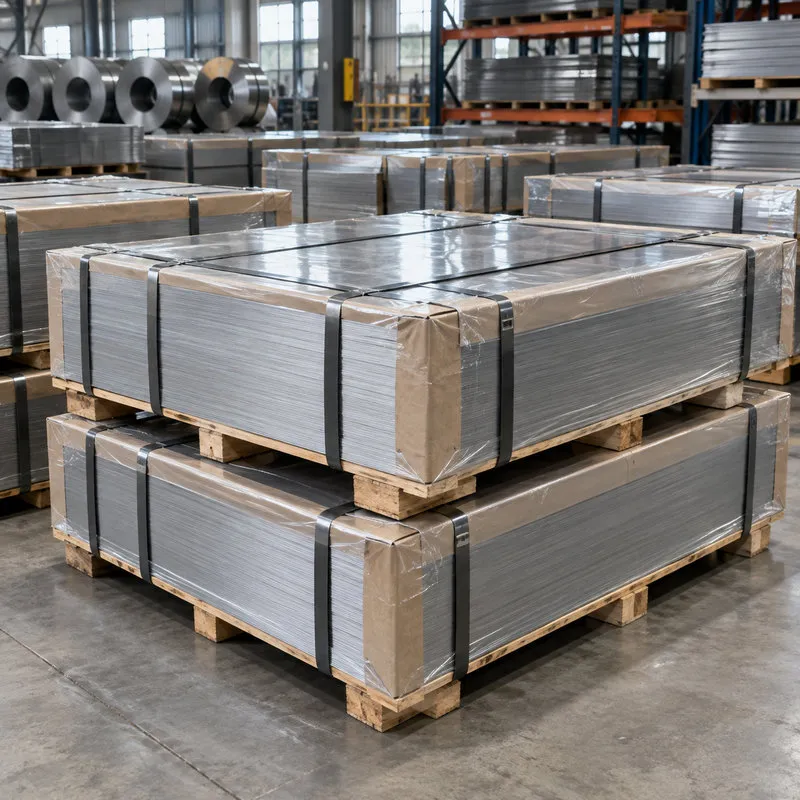
Choose coils when you have suitable processing capacity and need control over conversion sizes. Sheets may suit operations that require ready-sized feedstock.
Does TFS mean chromium-free?
No. TFS means tin-free steel; conventional TFS uses a chromium-based surface system.
Can TFS replace tinplate without trials?
No. Review coating, forming and joining compatibility before changing the material.
Can you supply lacquered or laminated coils?
Submit the required coating or film specification for review. Plain TFS quotations do not automatically include either process.
What information is needed for a quotation?
Provide thickness, width, temper if known, coating requirements, coil ID, maximum OD, weight limits, quantity, application and destination port.
Request a TFS Coil Quote
Send your material specification and equipment limits to GDD Metal. Include any slitting, recoiling or cut-to-length needs so the supply proposal covers the complete order.