
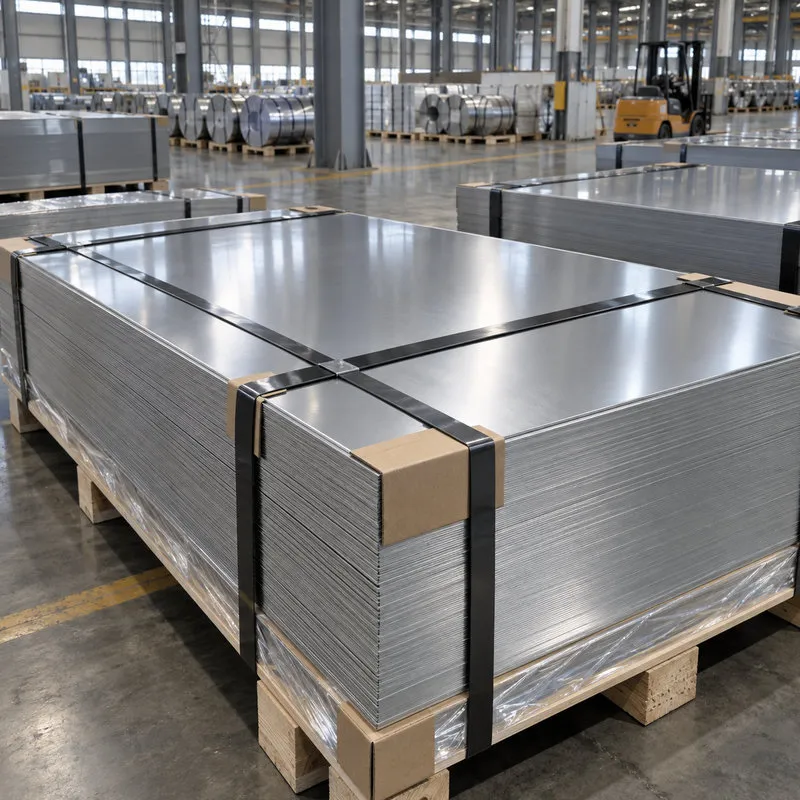
Tin-Free Steel Sheets for Packaging Production
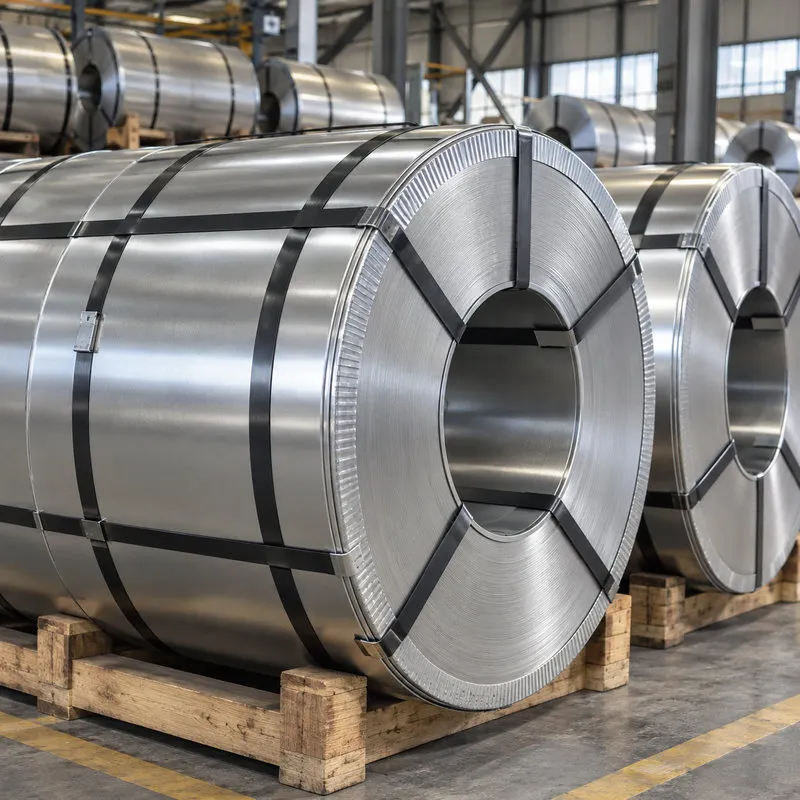
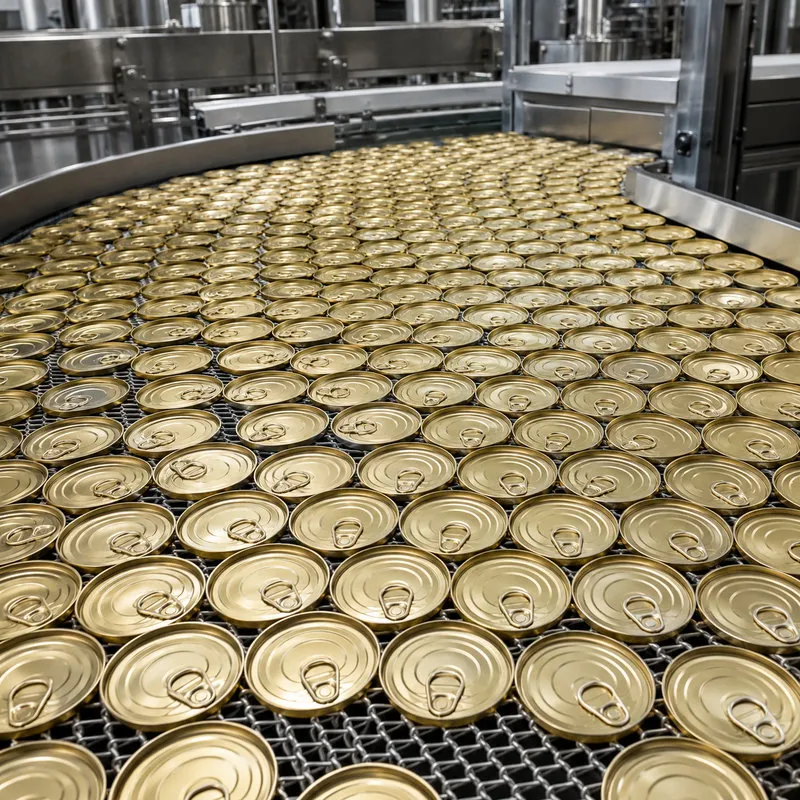
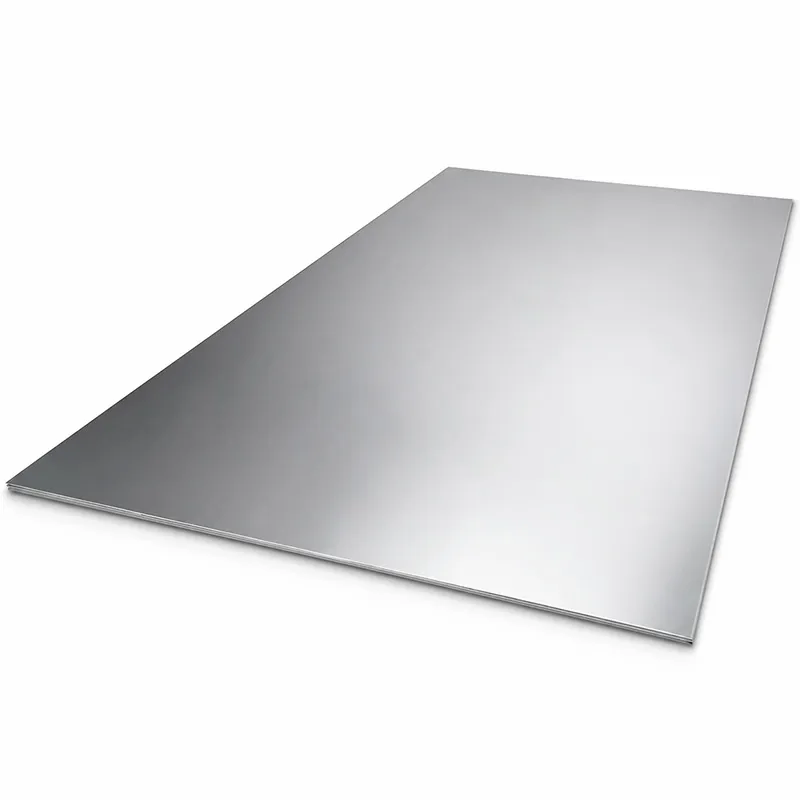
GDD Metal supplies Tin-Free Steel sheets for packaging manufacturers purchasing flat material for coating, printing and forming. Also called TFS or ECCS, the material is used in selected can ends, closures and drawn packaging components.
Send your component drawing, coating process and sheet-feed requirements. We review the substrate specification and sheet layout together so the proposed material fits your production route.
Product Specifications
Final supply specifications follow the confirmed quotation and purchase order. Thickness, sheet dimensions and processing options must be checked as a combination.
| Parameter | Specification / Order Requirement |
|---|---|
| Product | Tin-Free Steel Sheet |
| Material identity | TFS / ECCS: electrolytic chromium-coated steel |
| Supply form | Cut sheets; plain substrate unless additional processing is agreed |
| Thickness | Nominal thickness and tolerance confirmed in the quotation |
| Width and length | Cut dimensions and tolerances matched to the customer's sheet-fed equipment |
| Temper and reduction route | SR or DR as agreed for forming requirements; grade availability confirmed before ordering |
| Metallic coating | Metallic chromium and chromium oxide; report each component on the agreed measurement basis |
| Coating units | Specify mg/m², the reporting basis and face identification; do not substitute a zinc or tin coating designation |
| Surface finish | Finish and roughness agreed for coating, printing or forming |
| Surface oil | Oil type and amount agreed with the downstream coating process |
| Sheet geometry | Flatness, squareness and edge requirements specified in the purchase order |
| Additional processing | Lacquering, printing or lamination requirements quoted separately, subject to confirmation |
| Inspection | Material identity, dimensions, mechanical properties, surface and coating checks per agreed scope |
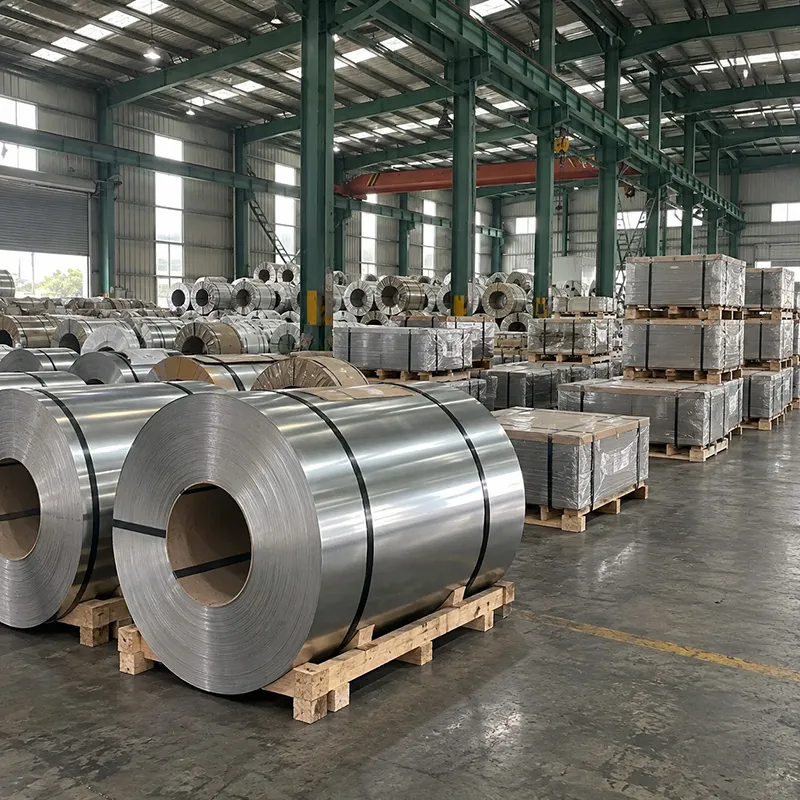
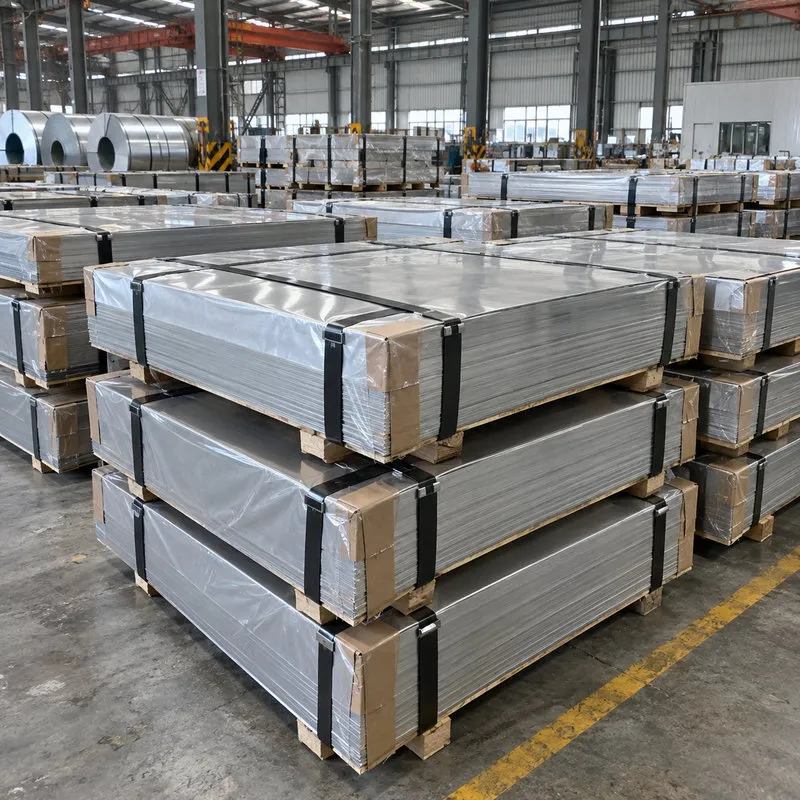
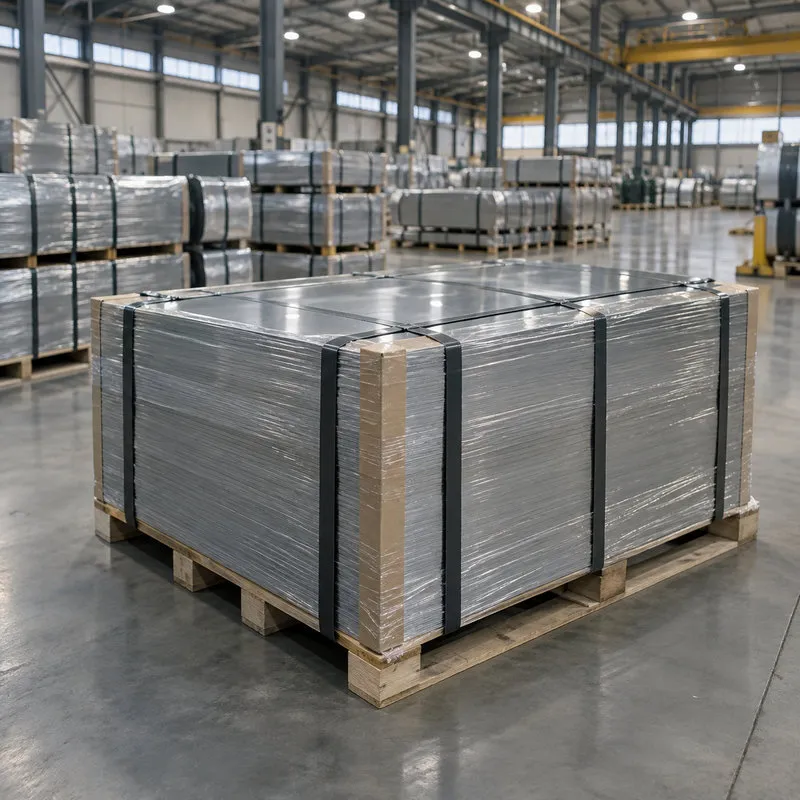
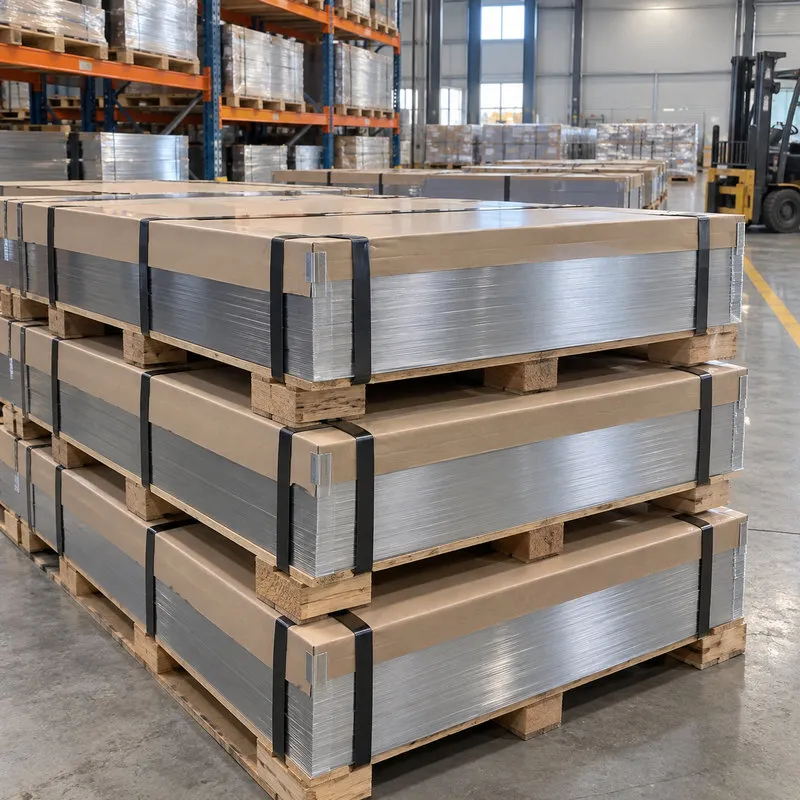
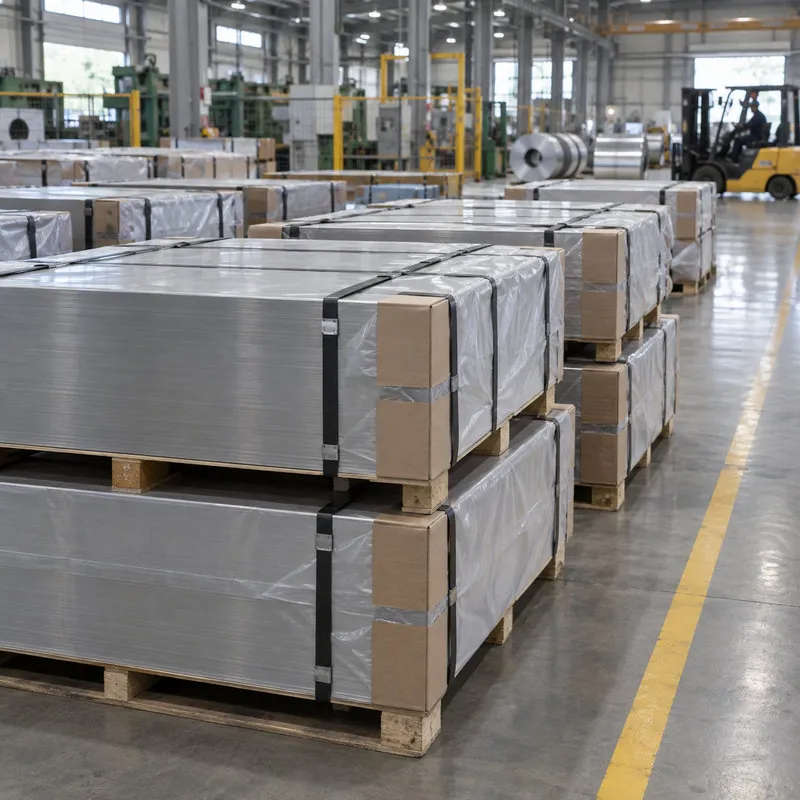
| Packing | Protected sheet stacks on pallets; pack weight and moisture protection by agreement |
| Documents | Certificate of Origin, material MTC, export license where required, and agreed commercial/shipping documents |
| MOQ and lead time | Confirmed by material specification, quantity and processing requirements |
What Is Tin-Free Steel?
TFS is low-carbon steel with thin metallic chromium and chromium-oxide surface layers. It has no intentionally applied tin coating. The term describes a surface-treated packaging steel, not stainless steel or bare blackplate.
Confirm the delivery condition: plain TFS, lacquered TFS and laminated TFS are different purchasing specifications. A silver-looking sheet does not identify its coating system.
How TFS Sheets Are Manufactured
A typical route starts with cold rolling, cleaning and annealing. Temper rolling or double reduction develops the required mechanical condition. After surface preparation, electrolytic treatment produces the chromium-based surface system. The strip is finished, inspected and cut into sheets.
Organic coating, printing and lamination are subsequent processing options. Ask which operations are included in the order and identify who will validate the final coating and forming process.
Chromium Coating vs Zinc Coating
Different Production Routes
TFS uses an electrolytic chromium treatment. Hot-dip galvanized sheet passes through molten zinc, while electrogalvanized sheet receives zinc electrolytically. TFS is not produced by hot-dipping steel into chromium and is different from thick decorative or hard-chrome plating.
Different Protection Mechanisms
Zinc provides a barrier and sacrificial protection to steel, including limited protection at small exposed areas under suitable conditions. TFS should not be specified on that basis: its surface and the selected organic coating must be evaluated as a complete protective system.
Different Purchasing Applications
Galvanized sheet is commonly selected for building components, ductwork and fabricated products requiring zinc protection. TFS is selected for specific packaging conversion routes. Neither should be substituted for the other simply because both are coated steel.
Keep coating units clear. A TFS chromium specification in mg/m² is not comparable to a galvanized coating designation expressed in g/m². Confirm whether results refer to each face, total chromium or a separately measured coating component.
Why Choose TFS?
Strong lacquer adhesion is a key advantage. TFS also offers useful sulfide-stain resistance in selected packaging applications. Its steel base provides a forming substrate, while avoiding the tin layer creates an alternative material option for coated packaging.
These advantages do not establish universal corrosion resistance or lower finished-part cost. Review coating consumption, tool settings, scrap, inspection and product performance alongside the material quotation.
Suitable Applications and Selection Points
Can Ends and Easy-Open-End Components
Specify the part drawing and conversion requirements. Approval should consider forming, scoring where applicable, coating integrity and assembled-package performance. A grade suitable for a conventional end is not automatically approved for an easy-open end.
Caps and Closures
Review shell forming, curl geometry, lining or sealing-compound compatibility and decoration. Approve representative formed samples rather than relying only on a flat-sheet appearance check.
Drawn Containers and Decorated Packaging
Evaluate the actual draw and joining method before selecting the temper. For printed gift packaging, assess surface appearance after coating and forming, especially in tight bends and contact areas.
TFS generally presents greater welding and soldering challenges than tinplate. If your process requires a welded seam, identify the joining route early and validate any required surface treatment or specialized welding conditions.
Choose the Sheet Around Your Line
Coating and printing: Provide equipment limits, surface preparation and bake conditions. Include oil compatibility, coating adhesion and appearance in sample approval.
Press feeding: Agree flatness, squareness, edge quality and feed direction. These requirements help prevent a material order from becoming a feeding or registration problem.
Layout and yield: Compare accepted parts per sheet as well as price per tonne. For example, an approved 20-blank layout gives 20,000 theoretical blanks from 1,000 sheets before setup and reject losses. This is a planning example, not a promised production yield.
Incoming records: Request consistent identification between the MTC, pallet label and purchase order so material can be traced through coating and conversion.
Illustrative Customer Applications
The examples below are purchasing scenarios, not claims of completed orders or customer testimonials.
End Maker: Trial Material for a New Component
An end maker could trial a proposed TFS specification using its intended coating and tooling. The project would compare feeding, forming and finished-component checks before approving a repeat order. Keep trial and bulk material specifications aligned.
Closure Producer: Investigating Coating Adhesion
A closure producer could evaluate substrate finish and oil condition alongside cleaning and baking settings. Check adhesion both before and after forming to separate a flat-sheet coating issue from damage introduced during conversion.
Packaging Printer: Matching Sheet Size to Repeat Layout
A printer could compare two feasible sheet layouts for the same artwork and blank. The purchasing decision would account for edge margins, press limits and usable output rather than choosing the larger sheet by default.
Inspection, Packing and Export Documents
Agree inspection requirements before production, including dimensions, mechanical properties, surface condition and chromium-coating reporting. Where needed, define sample quantities and acceptance criteria for downstream trials.
Sheets are packed with suitable stack protection and pallet support. Confirm pack weight and unloading arrangements. Keep material dry and protect exposed edges; allow cold packs to acclimatize before opening where condensation is a concern.
We can provide a Certificate of Origin, traceable material MTC, export license where required, and the agreed invoice, packing list, shipping and customs documents to support compliant export.
The MTC documents the supplied material. It does not replace food-contact assessment of the final lacquered or laminated package. Specify any additional reports needed for the actual product, coating and destination.
Frequently Asked Questions
Is TFS the same as ETP or SPTE?
No. ETP means electrolytic tinplate, and SPTE is a tinplate designation. TFS uses a chromium-based surface system instead of a tin coating.
Can plain TFS directly contact every food?
No. Food-packaging use requires an appropriate protective system and validation for the contents, processing and storage conditions.
Is TFS automatically BPA-free?
No. BPA-related claims concern the actual organic coating or other relevant components, not simply the TFS substrate name.
Can I replace galvanized sheet with TFS?
Do not assume interchangeability. The coating functions and intended applications differ; review the complete product specification.
What thickness and sheet size should I order?
Provide your drawing, existing specification and equipment limits. Availability and suitability must be confirmed for the required combination.
Request a Tin-Free Steel Sheet Quote
Send thickness, width, length, temper if known, surface requirements, quantity, intended component and destination port. Include your coating, forming or joining process so the quotation can address the production requirements.