
The opening design of a tinplate lid affects how a package is filled, sealed, opened and used again. A jam jar needs a different closure from a tuna can, while a tea tin and a paint can have different requirements for repeated access. Choosing by appearance or diameter alone can leave buyers with an incompatible lid.
This guide compares common tinplate lid opening types and related metal closure systems. It explains their advantages, limitations, suitable containers and contents, then shows how to select the steel substrate and prepare a complete purchasing specification.
Tinplate consists of a low-carbon steel substrate with a thin tin coating. The steel supplies strength and formability, while the tin-coated surface supports suitable lacquering and decoration. A lid may also contain a sealing compound, liner, pull tab or other components.
Opening terms describe different structures. “Twist-off” usually refers to a lug closure, “screw cap” may refer to a continuous-thread design, and an “easy-open end” uses a scored panel and tab. A tinplate can body does not prove that its lid is tinplate: aluminum ends, TFS ends and flexible membranes are also used in metal packaging.
A lug cap opens by a short rotational movement. Formed lugs inside the cap skirt engage with the corresponding features of a compatible jar neck. The metal shell, sealing compound and container finish work together; the cap diameter alone does not define the fit.
Advantages: Quick opening and convenient reclosing make lug caps useful for products consumed over several servings. Properly specified systems can support vacuum-packed food and suitable hot-filling or thermal-processing conditions.
Limitations: Incorrect application can leave lugs disengaged or damage the closure. Opening effort depends on the closure system and pack conditions. Reclosing the jar does not restore its original unopened vacuum or processed-food condition.
Suitable containers and products: Glass jars and bottles with the matching lug finish, commonly used for jam, pickles, sauces and preserved vegetables. Explore GDD Metal’s tinplate screw and twist-off caps for container-specific options.

Continuous-thread caps engage with a matching helical thread around the container neck. The consumer unscrews the cap through a longer rotational movement than a typical lug closure. The formed metal shell requires the correct thread geometry and an appropriate liner or sealing system.
Advantages: Repeated opening and closing are familiar to consumers. Tinplate screw caps support printed branding and can be specified for a range of compatible glass or plastic containers.
Limitations: A cap with the correct nominal diameter can still have the wrong thread pitch, height or sealing interface. Application torque, removal torque and liner compatibility need confirmation; a screw cap is not automatically suitable for retort processing.
Suitable containers and products: Threaded jars and bottles for spices, dry foods, selected sauces and personal-care products. Purpose-designed metal tins can also use threaded closures, but their construction must be specified separately from glass-jar caps.
An easy-open end, or EOE, has a controlled score line and a pull tab. Lifting and pulling the tab breaks the scored panel. Production involves forming the end shell, creating the opening features and attaching the tab, with inspection of the score, tab assembly and coating condition.
Advantages: Consumers can access the product without a separate can opener. A full-aperture end exposes most of the opening, making it practical for removing solid food or scooping dry contents.
Limitations: The opening is normally irreversible. A separate overcap may support storage after opening, but it does not recreate the original seal. Score and tab performance add manufacturing requirements, and the opened edge needs an appropriately designed safety profile.
Suitable containers and products: Matching two-piece or three-piece food cans for tuna, meat, fruit, vegetables and wet pet food, plus qualified dry-product packs. A partial-aperture end creates a smaller dispensing opening. Beverage, pressure and heat-processing requirements must be validated for the specific end design.
View our tinplate easy-open ends and confirm the end profile, can flange and double-seaming specification together.
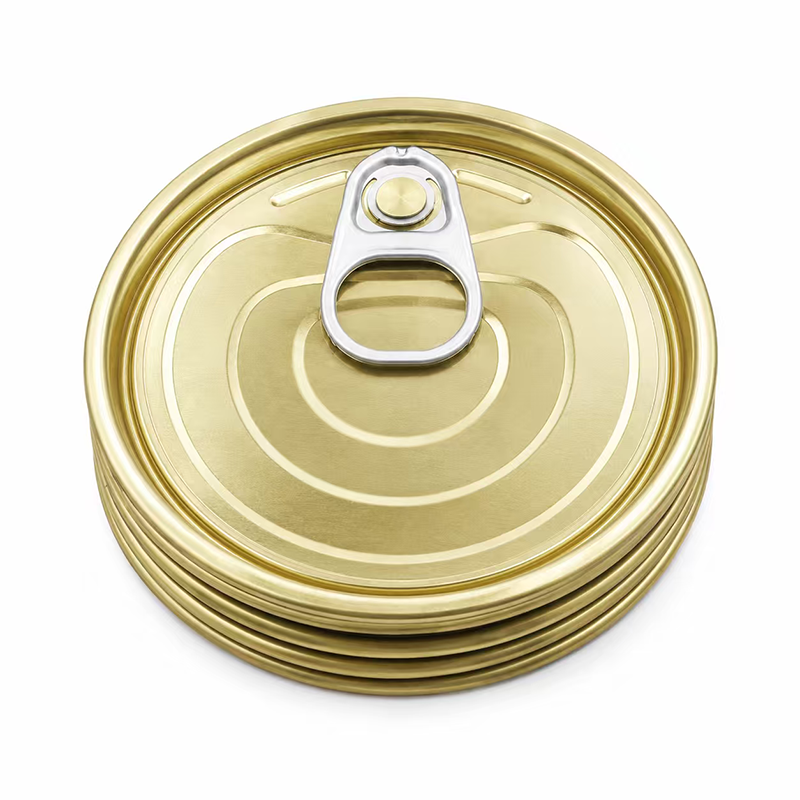
A standard can end has no pull-tab opening feature. It is permanently joined to the can flange by double seaming, with sealing compound in the joint. When used as the opening end, it usually requires a can opener. Conventional ends also serve as the bottom of many three-piece cans.
Advantages: The structure avoids the tab and scored opening panel. It is an established option for canning lines and buyers who prioritize a conventional end design.
Limitations: Opening requires a tool and permanently cuts the end. Correct seam geometry and processing performance remain essential; a standard end is not interchangeable with a removable tin-box cover.
Suitable containers and products: Compatible food cans for vegetables, fruit, meat and bulk ingredients, as well as matching bottom ends. See our tinplate can lids and covers for the relevant end or cover specification.
A peel-off closure opens by pulling away a flexible membrane. One common construction heat-seals foil to a rigid metal ring that is seamed onto the container. Other systems seal directly to a purpose-designed container rim. These are composite closures, not necessarily lids made entirely from tinplate.
Advantages: A qualified design can provide convenient access without tearing away a rigid scored steel panel. It can suit single servings and selected dry-product packs.
Limitations: Membrane composition, sealing conditions and peel strength introduce additional specifications. Processing resistance must be confirmed for the chosen system. Once peeled, the original seal is lost even if a reusable outer lid is supplied.
Suitable containers and products: Compatible metal cans, bowls or composite containers for milk powder, coffee and selected processed foods. Choose a membrane, ring and body combination approved for the actual filling and heating process.
A slip-on lid fits over the outside of the tin body and is lifted away to open it. The stamped cover normally has a formed skirt and finished edge; retaining pips or other fit features may improve closure retention.
Advantages: Simple access, repeated use and broad shape options make slip lids attractive for decorative packaging. Round, rectangular and shaped tins can use this opening style.
Limitations: An ordinary slip lid should not be assumed airtight or liquid-tight. Moisture-sensitive contents may require a sealed inner pouch or other barrier system, and transport testing should confirm the lid stays in place.
Suitable containers and products: Matching tea tins, biscuit tins, confectionery boxes and gift packaging. Selection should consider the complete pack’s barrier needs, not only the metal body.
A friction lid presses into a matching opening or a seamed-on closure ring. Some designs create multiple contact surfaces between the plug and ring. Opening usually involves prying the lid out; the lid can then be pressed back into place.
Advantages: The wide opening supports stirring, pouring or removing contents. A properly designed plug-and-ring system supports repeated access, making it practical for products used over time.
Limitations: Prying or repeated handling can deform the lid or ring. Product trapped in the closure area can affect reclosing. Leakage resistance depends on the complete design, contents and condition after use.
Suitable containers and products: Purpose-designed paint, varnish and selected adhesive cans. Match the internal protection and closure to the formulation; a decorative press-fit tin is not a substitute for an industrial liquid container.
A hinged lid remains attached to the container and swings open. The hinge and any latch or retaining feature are additional formed or assembled parts that must be included in the packaging drawing.
Advantages: The lid stays with the pack, which is convenient for frequently accessed small items. The structure also supports gift presentation and reuse.
Limitations: Hinges add assembly requirements and potential wear points. An ordinary hinged tin does not provide the hermetic seal required for shelf-stable canned foods.
Suitable containers and products: Rectangular tins for mints, stationery, accessories and promotional gifts. Food applications need suitable contact materials and any additional barrier protection required by the contents.
The best substrate balances forming performance, rigidity and surface protection. Selecting the hardest grade or the thickest sheet is not a complete specification. GDD Metal supplies ETP tinplate sheets for closure and can-making projects.
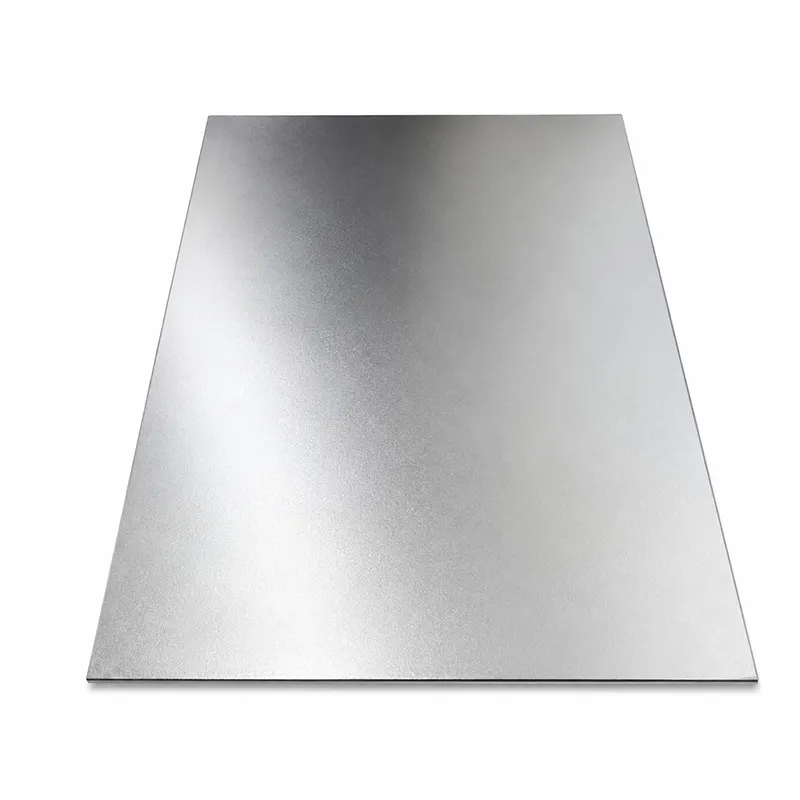
The options below summarize published product ranges. They are not interchangeable specifications for every lid. Final dimensions, tooling availability, tolerances and coatings are confirmed against the approved drawing and sample.
| Parameter | Options / Order Requirements |
|---|---|
| Base material | Electrolytic tinplate (ETP/SPTE), consisting of tin-coated low-carbon steel |
| Easy-open end sizes | Examples: 52, 65, 73, 83, 99 and 126 mm nominal diameter; confirm the exact end series and seam profile |
| Easy-open end thickness | 0.18–0.32 mm, subject to end design and approved specification |
| Conventional lid/cover thickness | 0.18–0.35 mm, subject to the selected lid or cover model |
| Screw and lug cap sizes | Approximately 30–82 mm; exact fit follows the container-neck drawing and available tooling |
| Screw-cap gauge and height | Specified according to cap diameter, skirt structure, forming and sealing requirements |
| Temper options | T2, T3, T4, T5 and selected DR grades such as DR8/DR9, according to closure design |
| Tin coating examples | 2.8/2.8 or 5.6/5.6 g/m², stated per face; other or differential coatings by agreement |
| Finish and sealing system | Plain, gold-lacquered, coated or custom-printed finish; food-contact coating, liner or sealing compound matched to use |
| Documentation | Applicable food-grade tinplate test reports, MTC, export license and agreed export documents |
For example, a jam jar typically points toward a matching lug or screw closure; a tuna can toward a qualified full-aperture EOE or standard end; a tea gift tin toward a removable cover plus any needed inner barrier; and a paint can toward a formulation-compatible friction closure. Confirm the final choice through drawing review and filled-pack trials.
Henan GDD Metal Materials Co., Ltd. supplies tinplate materials, easy-open ends, screw caps, conventional can ends and selected metal packaging products. We hold an export license and can provide food-grade tinplate test reports for applicable supplied materials, together with Mill Test Certificates (MTCs) and agreed export documentation.
Food-contact reports should correspond to the supplied material and coating, the tested conditions and the intended application. An MTC supports verification and traceability of the substrate. The closure’s liner, forming quality, sealing and finished-package performance are assessed separately against the order specification.
To request a suitable proposal, contact GDD Metal with your preferred opening type, container drawing, contents, processing conditions, quantity, artwork and destination. Confirm the closure and material first, then approve the decorative design around the functional areas.