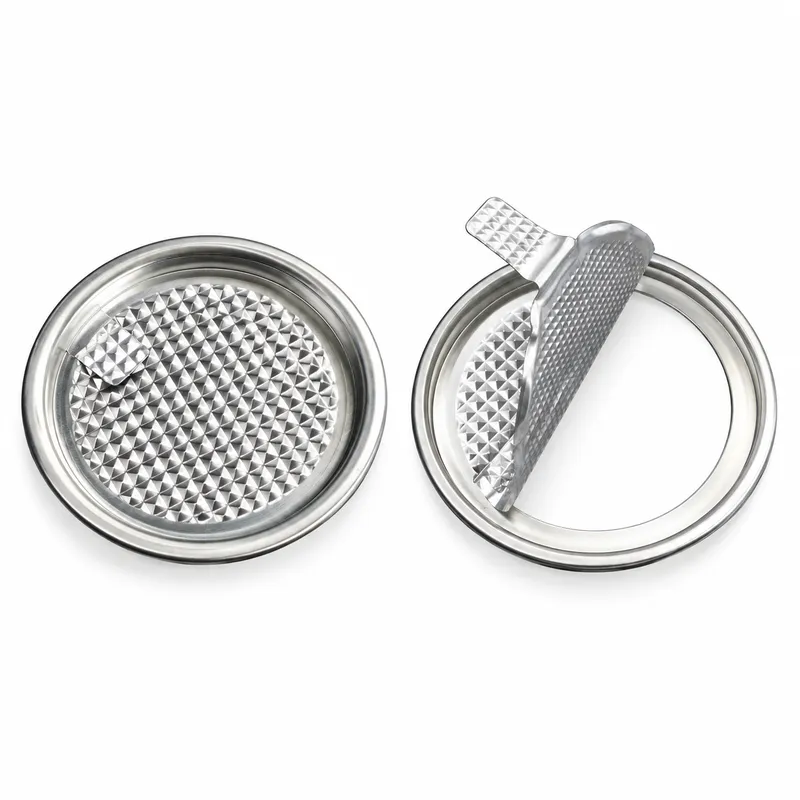
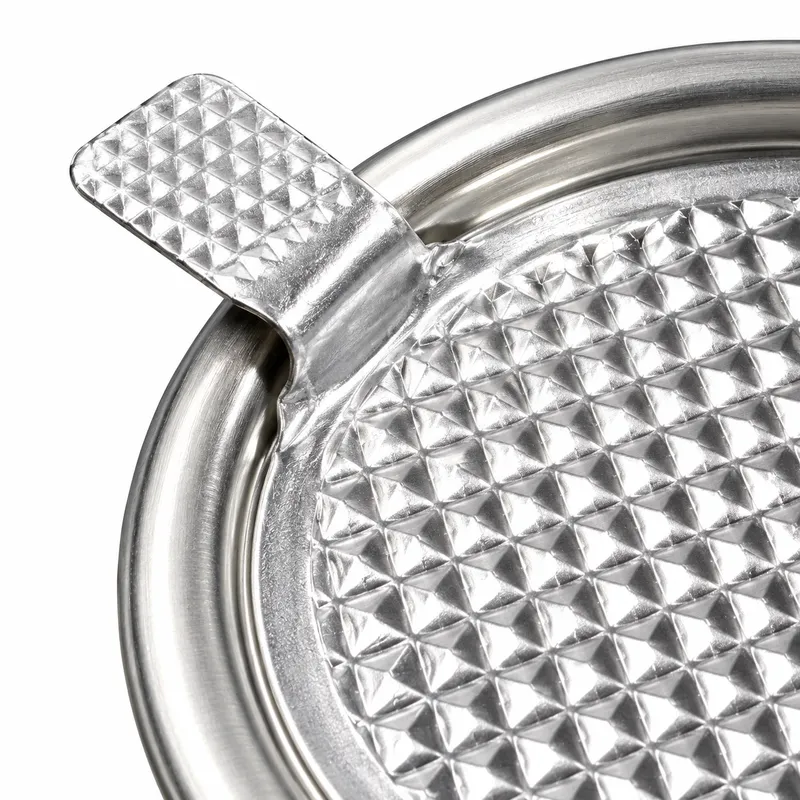

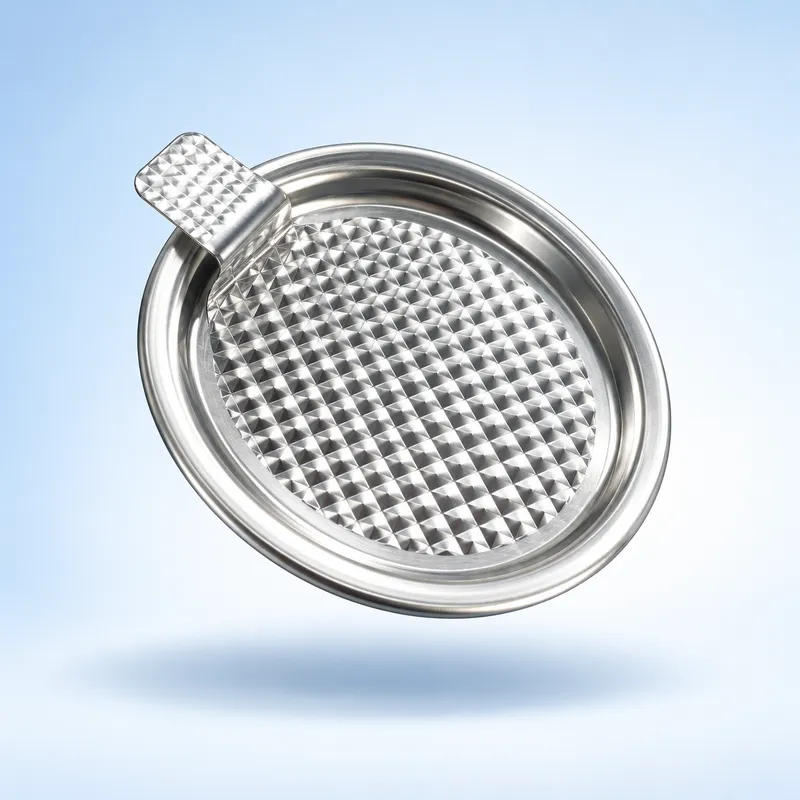

A tinplate ring peel-off end combines a formed steel ring with a flexible aluminum-foil laminate. The membrane is heat-sealed to a prepared surface on the ring; the ring is then double-seamed to a compatible metal can body. Consumers lift the foil tab for the first opening. If the product will be used over several servings, a separate outer lid can be designed to close the can again after opening.
This construction is suitable for evaluation with coffee, tea, milk powder, snacks, confectionery and other products when the chosen laminate, coating and process are compatible. For wet, acidic or retorted foods, the membrane and seam need a separately validated design. Henan GDD Metal Materials Co., Ltd. can coordinate the metal end, can body and outer-lid requirements from a drawing or physical sample.
| Item | Specification / selection point |
|---|---|
| Construction | Formed tinplate ring + peelable, heat-sealed aluminum-foil laminate with pull tab |
| Ring material | Electrolytic tinplate; steel grade/temper, tin coating and gauge per approved drawing and forming tests |
| Membrane | Aluminum foil laminate with product-facing layer and peelable heat-seal layer selected for the packed contents and process |
| Shape / size | Round; reference market formats include 73 mm (#300), 83 mm (#307) and 99 mm (#401). Exact end diameter, curl, tooling and availability by drawing |
| Opening | Full-aperture peel; tab shape, grip, peel force and membrane print/embossing by sample approval |
| Food-contact system | Internal lacquer, sealant and foil contact layer selected for product chemistry and destination requirements; BPA-NI option only when supported by material declarations and testing |
| Process suitability | Dry-fill baseline; retort/heat processing only with an approved membrane, can geometry and validated fill–seal cycle |
| Outer lid | Separate slip-on, press-fit or twist-off tinplate lid, matched to the can-mouth profile; optional |
| Checks | Drawing, sample seam teardown, seal/peel strength, leak testing and food-contact evidence as agreed |
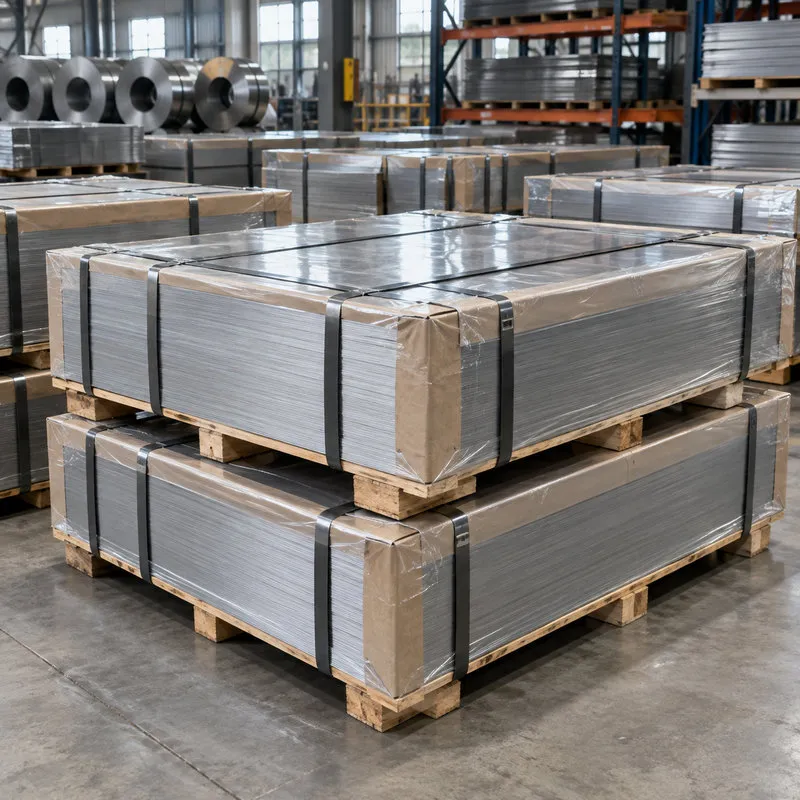
| Supply / documents | Trial samples, approved production packing, MTC for applicable metal inputs, COO and export documents; MOQ and lead time by quotation |
Reference market diameters are examples, not a claim that every tool is in stock. Send the can-mouth and end drawings for a fit check before ordering.
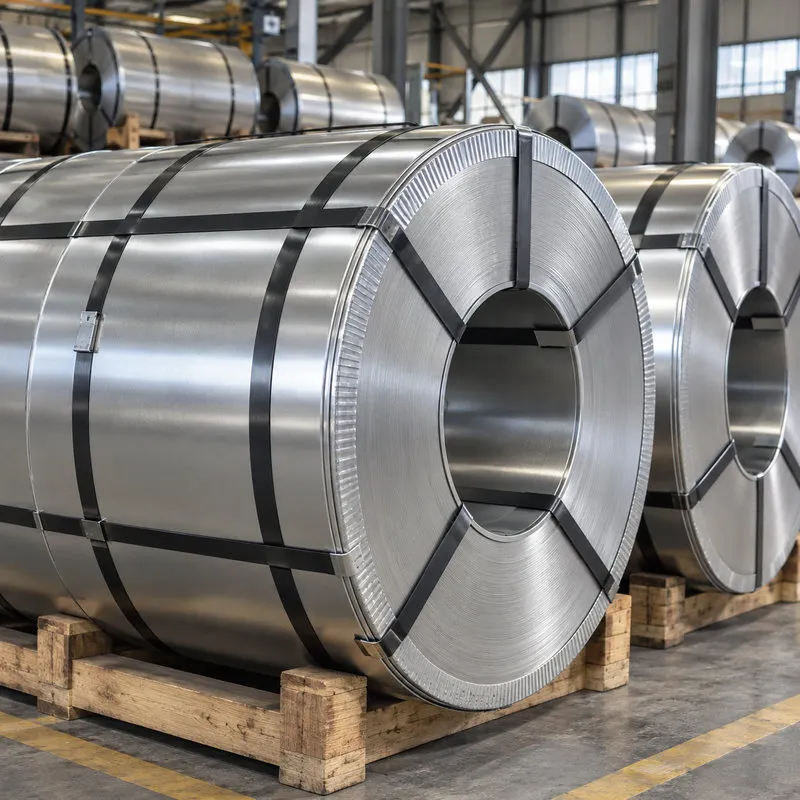
Tinplate is thin steel coated with tin. The steel substrate gives the ring the rigidity needed to form a curl and maintain a controlled double seam; the tin coating and any specified lacquer help protect surfaces against the selected contents and processing conditions. A stable ring also supports a repeatable heat-seal land for the foil. The ring remains attached to the can after the foil is peeled away, so the opening is defined by the metal rim rather than a torn steel panel.
An aluminum ring can also be engineered for peel-off ends. It is lighter and can suit an all-aluminum packaging design, while tinplate offers a familiar forming and seaming route for many steel cans. Neither material guarantees a better seal on its own: seam geometry, body material, tooling, corrosion exposure and cost decide the choice. If the can body is aluminum or uses an unusual neck finish, confirm the complete assembly rather than assuming a standard steel-can end will fit.
The foil panel is thin and flexible, making the first opening easier than tearing a rigid scored metal panel. Within an intact, correctly specified laminate and seal, aluminum foil provides a strong barrier to light, oxygen and moisture. The foil itself is usually combined with sealant and product-facing layers: laminate choice, pinholes, seal integrity and the packed product determine the actual package barrier and shelf life. A pull tab gives consumers a controlled point to start peeling.
The two materials divide the work: the tinplate ring forms a mechanical seam with the can and carries the heat-seal area; the foil laminate closes the opening until the customer peels it away. A plain foil disc without a compatible rim, sealant and validated heat-sealing process would not provide the same dependable can-end assembly.
A removable lid slips over the top bead of a straight-wall tin. It can protect the open contents from dust between uses and carry printed decoration; the actual fit must be checked on the assembled can.
A friction-fit lid engages a designed rim or neck. It offers a more defined repeat closing feel for products such as tea or powdered ingredients. Rim and lid tolerances must be developed together so consumers can remove and replace it without excessive force.
A twist-off design requires a matching thread or lugged neck and is a custom container-and-lid system. It cannot simply replace a slip-on lid on an ordinary smooth can mouth. In all three options, the outer lid is for repeat closing after the foil has been removed; it does not recreate the unopened foil seal or the validated shelf-life barrier.
Start with the can body material, mouth diameter and flange profile, then agree on the ring curl and seaming-chuck fit. Confirm the contents, moisture/fat/acidity, fill temperature, shelf-life target and any sterilization cycle. The selected lacquer and foil laminate need food-contact review for the target country. Before mass production, approve physical samples and assess seam dimensions, foil adhesion and peel force, leak performance and the outer lid's fit. Label production lots so metal-input MTCs and relevant coating/laminate declarations can be traced to the order.
A tea packer may specify a full-aperture foil seal for the first opening and a printed slip-on tinplate lid for repeated use. The buyer should confirm the aroma and moisture-barrier targets against the whole can, not the foil alone.
A milk-powder or nutrition brand may prefer a peelable membrane and a press-fit lid. The specification should cover powder-contact layers, seal integrity, opening force and the customer's filling and inspection line.
A premium confectionery tin may combine printed foil with a decorative twist-off outer lid, provided the can neck is engineered for that closure. Artwork, tooling, corrosion protection and the product's storage conditions should be approved before production.
These are illustrative design scenarios, not completed-order claims or customer reviews.
No. A peel-off end removes a flexible membrane from a retained ring. A conventional ring-pull EOE opens a scored metal panel. See our tinplate easy-open ends if your filling line needs that construction.
Only after the specified foil laminate, ring, coatings, double seam and heat process pass validation for the actual recipe and cycle. A dry-food design should not be assumed retort-ready.
A removable lid improves repeat closing and handling, but it does not restore the original hermetic seal. Give consumers storage instructions suitable for the food after first opening.
Yes, specify the destination and required declaration before material selection. We can coordinate a documented BPA-NI food-contact option when verified, a metal-input MTC, certificate of origin, commercial invoice, packing list, transport/customs papers and an export license where applicable. An MTC describes the metal input; it does not certify the finished food-contact assembly by itself.
Send the can drawing or sample, target diameter, packed product, fill and heat treatment, foil artwork, desired outer-lid type, order quantity and destination. We can review tooling and samples against your seaming equipment before quoting production. Explore other tinplate can lids or tinplate raw material for the rest of your packaging program.